Dubai Neighbourhoods Guide: Where to Go and Stay
A practical Dubai neighbourhoods guide covering culture, shopping and nightlife areas. Find the right district for your trip with honest comparisons.
8 min read · 11 Oct 2026
Tours & activities
Discover the best Dubai cultural tours including mosque visits, heritage neighborhoods, and museum experiences. Compare tour types and book wisely.
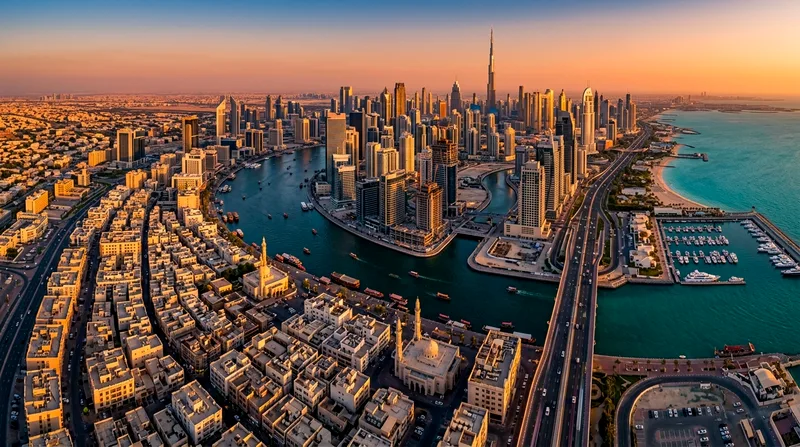
Dubai cultural tours aren't for everyone, and that's fine. If your trip is built around Atlantis Aquaventure, a desert safari, and the Burj Khalifa deck, a heritage tour can feel like homework. But if you want to understand why Dubai looks the way it does — why there's a creek running through the middle of skyscrapers, why mosques sit beside glass towers — these tours do the explaining that observation decks never bother with.
I'd argue the best Dubai cultural tours work for two groups in particular, and poorly for a third: anyone expecting fast-paced entertainment rather than slow looking and listening.
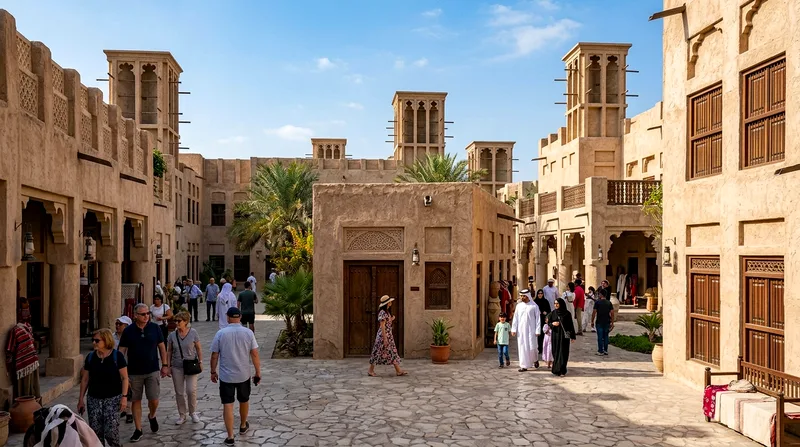
If you've already done Petra, wandered Muscat's Mutrah Souk, or spent a day in Al Ain's oasis and forts, Dubai's heritage sites will feel familiar but distinct — this is a 19th and 20th century pearling-and-trading history, not an ancient one. The Al Fahidi Historical Neighbourhood in Bur Dubai, with its restored coral-stone buildings and wind towers, is the clearest physical record of that era. Pair it with the Dubai Museum inside Al Fahidi Fort and you get artifacts — pearl diving tools, old dhows, Bedouin household items — that give the walking tour actual context rather than just pretty alleys to photograph.
For a first visit, a half-day cultural tour on day one or two reframes everything that follows. Once you've seen Dubai Creek's abras (the small wooden ferries that still cross for about 1 AED), the old souks, and a mosque interior, the Burj Khalifa and Palm Jumeirah read differently — as a 50-year sprint rather than a city that appeared from nothing. Dubai Creek cultural tours often combine an abra ride with a walk through the spice souk and gold souk on the Deira side, which is a good two-to-three-hour introduction before you commit to bigger-ticket attractions.
"Cultural tour" in Dubai covers a wide range of experiences, and operators on sites like Viator or TripAdvisor often bundle two or three into one itinerary. It helps to know what each category actually delivers before you book, because the overlap in naming ("Old Dubai tour," "heritage tour," "traditional Dubai experience") hides real differences in pace, depth, and who's leading you around.
Heritage walks and museum visits offer the most cultural depth per hour, while souk tours trade depth for atmosphere and shopping time.
Dubai cultural tour categories compared: duration, group size, cost, and depth
| Tour Category | Typical Duration | Group Size | Cost Level | Cultural Depth |
|---|---|---|---|---|
| Al Fahidi heritage walk | 1.5-2.5 hours | Small group or private | Low-Mid | High |
| Dubai Museum visit | 45-90 minutes | Self-guided or small group | Low | High |
| Jumeirah Mosque visit | 60-75 minutes | Group (SMCCU-run) | Low | High |
| Souk and Creek abra tour | 2-3 hours | Small to mid-size group | Low-Mid | Medium |
| Combined full heritage day tour | 4-6 hours | Private or small group | Mid-High | High |
Figures as of 2025; durations and group sizes vary by operator — confirm specifics before booking.
A neighborhood walk through Al Fahidi is active — you're moving through alleyways, stopping at art galleries and courtyard cafés, maybe watching a coffee ceremony demonstration. It's visually rich but light on hard facts unless your guide is strong. Museum visits, whether at the Dubai Museum or the smaller Ajman Museum (worth a stop if you're already heading toward Sharjah or Ras Al Khaimah), are static but denser — you'll actually read dates, see pearling-era tools, and understand Bedouin life before oil money changed everything. My honest take: do both, in that order. The walk without the museum is just nice architecture; the museum without the walk is a lecture with no scenery.
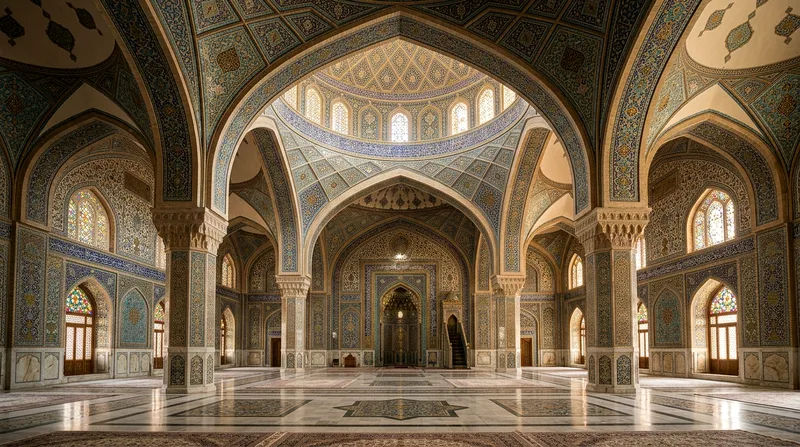
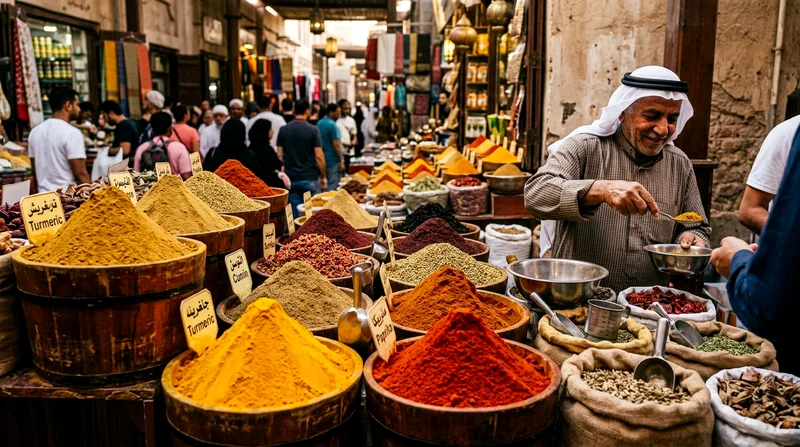
Jumeirah Mosque is the one mosque in Dubai that non-Muslims can enter, and it's typically done through a guided visit organized by the Sheikh Mohammed Centre for Cultural Understanding (SMCCU), usually mid-morning, lasting around 75 minutes with a Q&A session that's often more useful than the architecture tour itself. If you're heading to Abu Dhabi anyway, the Sheikh Zayed Grand Mosque there is larger, free to enter independently (no guide required, though modest dress still is), and arguably more photogenic — but it doesn't offer the same structured cultural dialogue Jumeirah's program does. Souk tours through Bur Dubai's textile souk or Deira's spice and gold souks are unguided-feeling even when guided — more about haggling and sensory overload than formal history, which suits travelers who find museums dull.
Group tours, typically 10-20 people, are cheaper and easier to book last-minute, but you'll move at the group's pace and ask fewer questions. Private guides cost more — often two to three times the per-person group rate — but for families with children who get bored easily, or senior travelers who need a slower pace and places to sit, it's usually worth it. Solo travelers and couples tend to do fine with group tours since the social element (comparing notes with other travelers over Emirati coffee) is part of the appeal.
Not all "cultural tours" listed on Viator or TripAdvisor mean the same thing, and the description text can be vague by design. Read past the headline and check two things specifically: what's actually included, and who's guiding you.
Check whether entry fees are included — Dubai Museum has a small entrance fee (a few dirhams, historically under 5 AED, though always confirm current pricing), and some combined tours fold this in while others don't. Watch for tours padded with unrelated stops like a gold souk shopping detour or a photo stop at the Burj Al Arab that has nothing to do with heritage — these inflate the "full day" label without adding cultural value. A genuinely good heritage tour rarely needs more than half a day; if it's billed as a full-day tour, check the itinerary line by line.
Timing affects both comfort and availability more than most people expect, especially for outdoor walking segments in a city where summer heat is genuinely dangerous, not just unpleasant.
November through March is the obvious window — daytime temperatures sit in the low-to-mid 20s°C, comfortable for walking Al Fahidi's shaded alleys. June through September regularly hits 40°C+ by late morning, which makes a 10am mosque visit or souk walk genuinely rough; book early morning slots (8-9am) if you're traveling in summer, or shift cultural activities to late afternoon near sunset. Ramadan changes things too — some sites adjust hours, and mosque visit programs may pause or shift timing, so check this specifically if your trip overlaps with it.
Group heritage walks and museum visits generally don't need more than 24-48 hours' notice, and the Dubai Museum can often be visited without any booking at all. The Jumeirah Mosque visit through SMCCU is more time-sensitive — it runs on a fixed schedule with specific entry times, so check the current schedule a few days ahead rather than assuming you can walk in. Private guides, especially ones with strong reviews, can book out during peak winter weeks (late December through February), so reserve those at least a week out if your dates are fixed.
Two practical issues trip up more travelers than anything about the tours themselves: cancellation terms and dress code misunderstandings.
Most group cultural tours booked through Viator or TripAdvisor offer free cancellation up to 24 hours before start time — always confirm this on the specific listing rather than assuming. Private guide bookings often have stricter terms, sometimes 48-72 hours, because the guide has blocked out their day for you. If weather or personal plans are uncertain, favor the free-cancellation group options over a locked-in private booking.
This is where people get turned away, and it's avoidable. For Jumeirah Mosque and any mosque interior, both men and women need shoulders and knees covered; women additionally need a headscarf, which SMCCU usually provides on-site if you don't bring one, along with a loose robe (abaya) for those in tight or short clothing. Al Fahidi and the souks don't enforce this formally, but showing up in beachwear reads as disrespectful locally and will draw stares, if nothing else. Photography inside mosques is generally fine outside of prayer times, but always ask your guide first — some areas are off-limits during active worship, and ignoring that is the single most common etiquette mistake on these tours.
Typically a guide, walking route through Al Fahidi or similar heritage areas, and sometimes museum entry or an abra ride across Dubai Creek. Food, mosque entry fees (if any), and hotel pickup vary by listing — always check the inclusions list on the specific tour page rather than assuming, since "cultural tour" descriptions differ widely between operators.
Jumeirah Mosque is the main option for non-Muslims, run through guided visits organized by the Sheikh Mohammed Centre for Cultural Understanding on a fixed daily schedule. Check current visit times a few days ahead through SMCCU's own booking channel or a listed tour on Viator or TripAdvisor — walk-ins outside the scheduled visit window generally aren't admitted.
Loose, breathable clothing that covers shoulders and knees works for both comfort and respect in Bur Dubai's older neighborhoods. For mosque visits specifically, women need a headscarf and full-length covering; abayas are often lent on-site at Jumeirah Mosque if you arrive unprepared. Closed, comfortable shoes matter more than people expect — Al Fahidi's stone alleys aren't flat sandal-friendly pavement.
Better for depth and pace, not automatically better value. Private guides suit families with children, senior travelers needing rest stops, or history enthusiasts wanting detailed Q&A. Group tours cost less per person and work fine for solo travelers and couples who don't mind a shared pace through Al Fahidi or the souks.
November through March for comfortable walking temperatures, booked a few days to a week ahead for group tours and up to two weeks ahead for private guides during peak winter season. If traveling June through September, book the earliest morning slot available — late morning heat makes outdoor walking segments genuinely uncomfortable.
A practical Dubai neighbourhoods guide covering culture, shopping and nightlife areas. Find the right district for your trip with honest comparisons.
8 min read · 11 Oct 2026
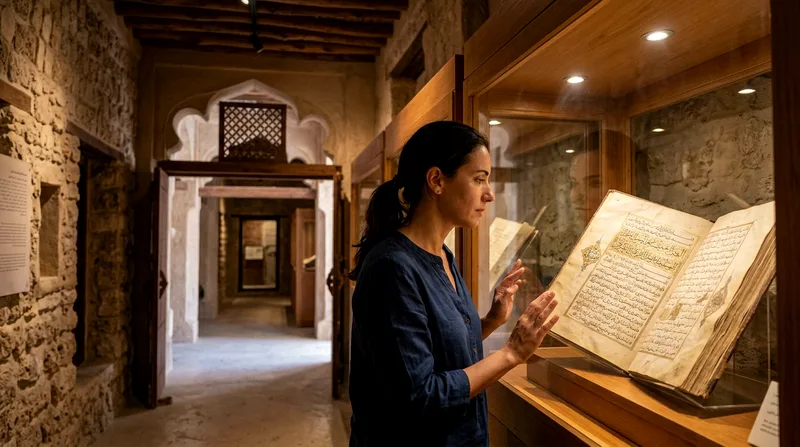
Compare Dubai cultural tours vs city sightseeing tours — cost, time, crowds, and which to book first. A clear verdict for every traveler type.
9 min read · 11 Oct 2026
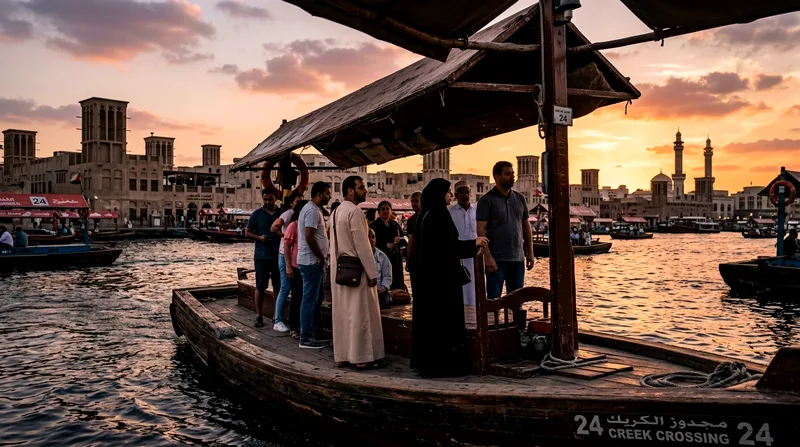
Dubai abra ride guide: Creek routes, fares, boarding stations, and how to pair the crossing with souk visits and dhow cruises.
9 min read · 11 Oct 2026

Book a Dubai mosque visit tour to Jumeirah Mosque or Sheikh Zayed Grand Mosque. Learn dress codes, tour options, pricing, and what to expect as a tourist.
9 min read · 11 Oct 2026
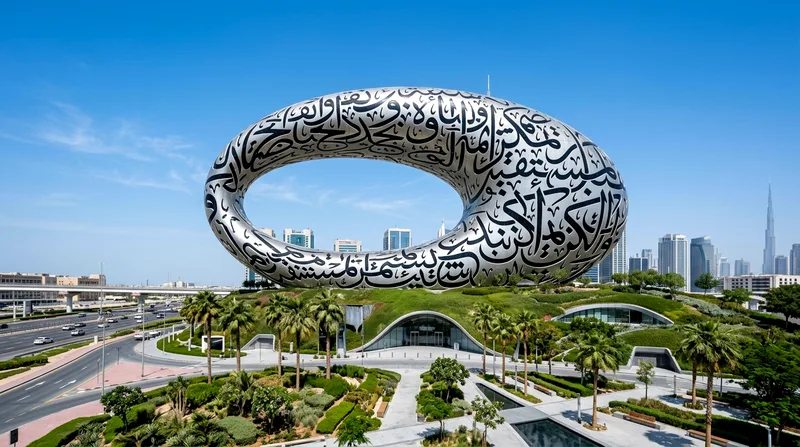
Book Museum of the Future Dubai tickets online. Compare prices, time slots, floor exhibits, and find out if it's worth visiting for families and adults.
9 min read · 11 Oct 2026
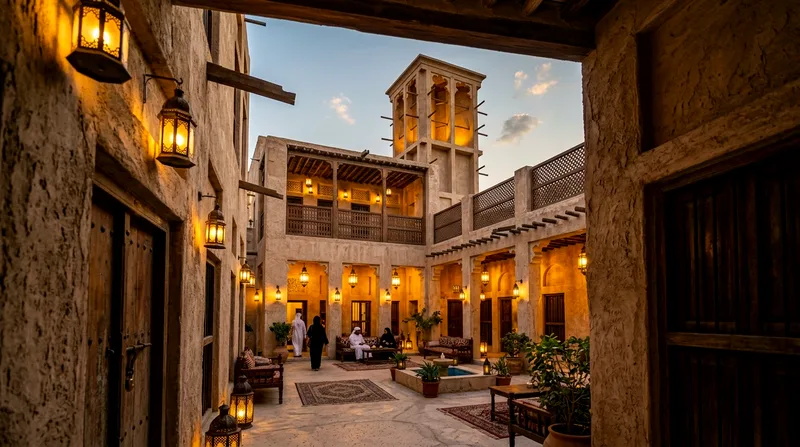
Planning an Al Fahidi neighbourhood tour Dubai? Compare guided vs self-guided options, museums, wind-tower architecture, timing and booking tips.
10 min read · 11 Oct 2026