A practical Dubai neighbourhoods guide covering culture, shopping and nightlife areas. Find the right district for your trip with honest comparisons.
Historic and Cultural Districts
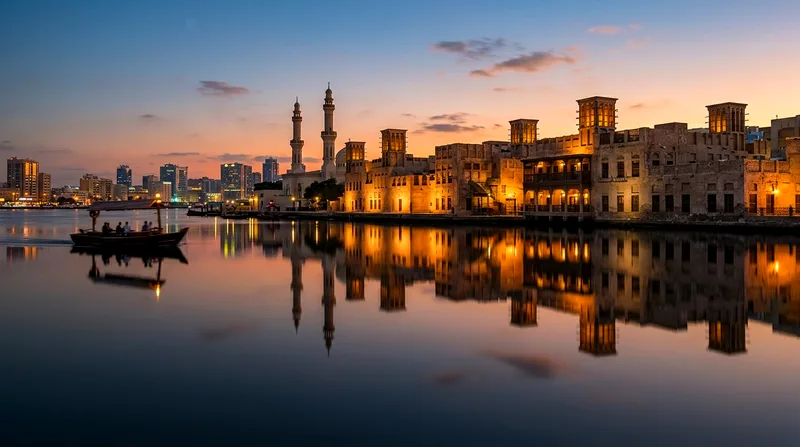
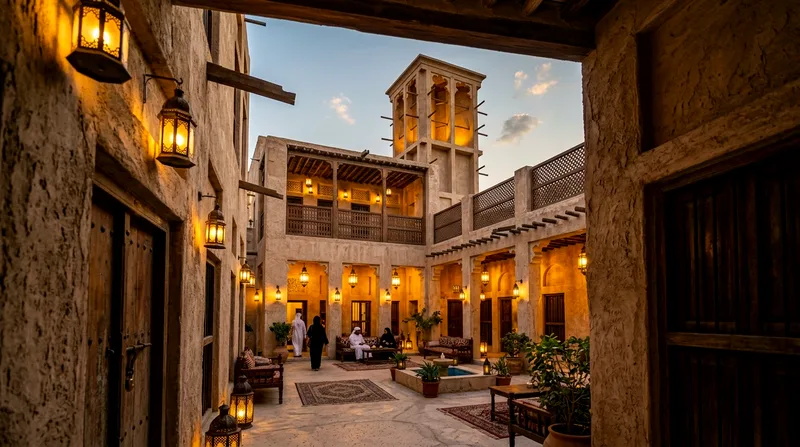
Dubai didn't start as a skyline. It started as a trading post on Dubai Creek, and that history is still walkable in Bur Dubai and Deira — the two districts that face each other across the water. If your idea of Dubai is only glass towers and malls, spending a morning here will genuinely change how you see the city, and I'd argue it's the single most underrated recommendation in any Dubai neighbourhoods guide.
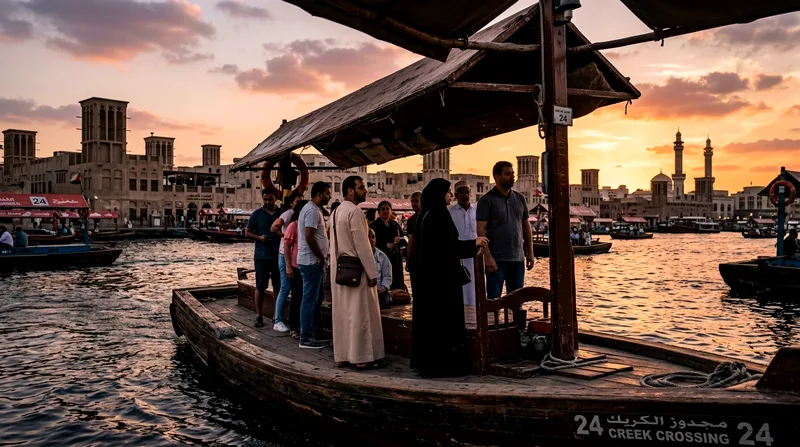
These areas aren't polished. Streets are narrower, buildings are older, and the crowd is a mix of South Asian traders, long-term expat residents, and tourists on abra boats crossing the creek for about 1 AED a ride. That's the appeal. You get textile souks, spice markets, and the Al Fahidi Historical Neighbourhood with its wind-tower architecture — a world away from Downtown Dubai's air-conditioned corridors.
Bur Dubai and Deira heritage
Bur Dubai holds the Al Fahidi district, Dubai Museum (housed in the Al Fahidi Fort), and the Textile Souk, while Deira across the creek has the Gold Souk and Spice Souk. Both areas reward slow walking rather than a checklist visit. Budget half a day minimum — an hour just for the abra crossing, haggling, and getting lost in the souk alleys. Compare this to Doha's Souq Waqif, which is more restored and tourist-polished; Bur Dubai feels rougher around the edges, and that's not a flaw.
Walkability and local experiences
This is the most walkable part of Dubai, full stop — a rarity in a city built for cars. You can cover Al Fahidi, the museum, and both souks on foot in a day, hopping the abra when your feet need a break instead of a taxi. The trade-off: hotel options here are mostly budget to mid-range, and the area empties out after dark except around the souks. If nightlife matters to you, don't base yourself here long-term — day-trip in from Marina or Downtown instead.
Modern Luxury Neighbourhoods
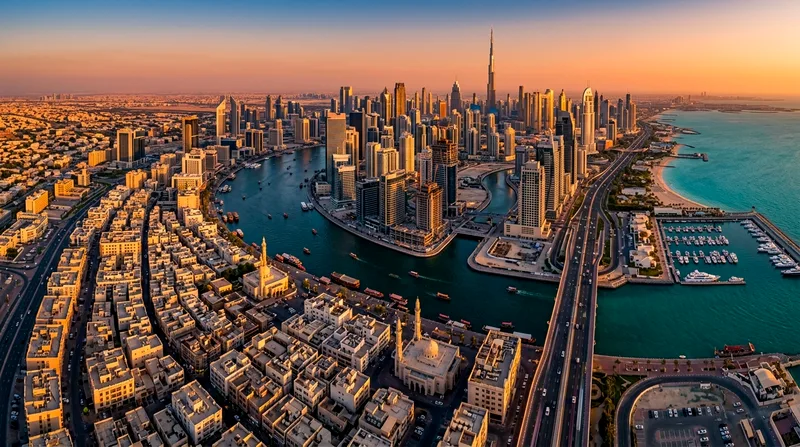
Dubai Marina, Downtown Dubai, and Business Bay are what most promotional photos actually show — the skyline shots with Burj Khalifa or the canal lined with towers. These districts are built for a specific kind of traveller: someone who wants restaurants, rooftop bars, and a five-minute walk to a metro station, not heritage architecture.
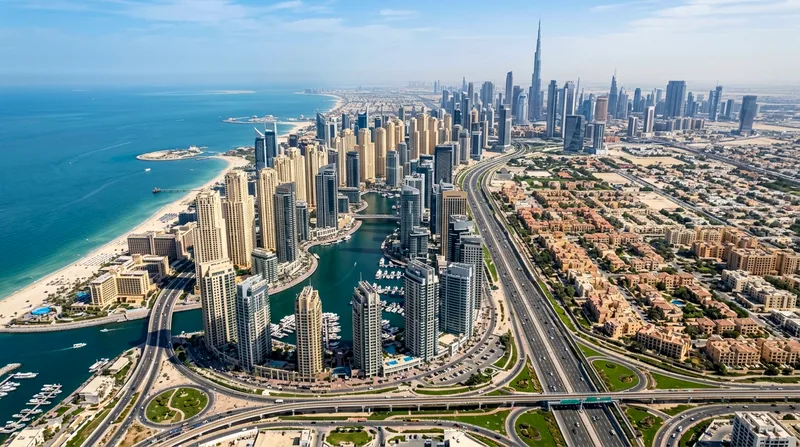
I won't pretend these areas are cheap. Hotel rates in Downtown and Marina run noticeably higher than Deira or even Jumeirah in shoulder season, and restaurant prices follow the same curve. But you're paying for density of things to do within walking distance, which matters if you're short on time — say, a 3-night stopover between flights rather than a 10-day holiday.
Dubai Marina and Business Bay
Dubai Marina is a man-made canal community lined with over 200 towers, a 7km waterfront promenade (The Walk), and direct access to JBR beach. It's dense, walkable within itself, and connected to the rest of the city via the Dubai Metro's Red Line — useful since taxis here can get expensive during peak traffic hours. Business Bay, just south of Downtown, is more corporate by day but has a growing canal-front dining scene at night. Neither has the character of Bur Dubai, but both are far easier for first-time visitors who don't want to think about logistics.
Gated communities and amenities
Further out, Arabian Ranches and Al Barari represent a different kind of luxury — villa communities built around golf courses, equestrian centres, and landscaped greenery rather than towers. These aren't really tourist bases; they're where long-term residents and some extended-stay visitors land. If you're renting a villa for a family trip of two weeks or more, Al Barari's quiet, green setting beats a high-rise apartment, but you'll need a car for everything, including groceries.
Beach and Waterfront Communities
If beach access is non-negotiable, Jumeirah and the newer Dubai Harbour / Bluewaters Island cluster are where you look. These areas trade the density of Marina for more direct sand access and a slightly calmer pace, though "calm" is relative — this is still Dubai, so expect beach clubs charging day-access fees and jet ski rentals lining the shore.
Compare this strip to Fujairah's east-coast beaches, roughly 90 minutes by car from Dubai: Fujairah is quieter, less developed, and genuinely cheaper, but you lose the city infrastructure entirely. For a day trip combining beach and boat time, a lot of visitors book a Dubai Marina dhow cruise or a sunset catamaran tour departing from the Marina or Dubai Harbour — worth comparing current boat tour prices and routes before you book, since departure points and durations vary by operator.
Jumeirah beachfront living
Jumeirah stretches along several kilometres of coastline and includes Jumeirah Beach Residence (JBR), home to The Walk and The Beach mall-and-boardwalk combo. It's family-friendly in the practical sense — flat, paved promenades, lifeguarded public beach sections, and shaded play areas — but hotel rates along the beachfront itself sit at the premium end. Staying one street back from the water usually cuts costs meaningfully without losing beach access.
Dubai Harbour and Bluewaters Island
Dubai Harbour is the newer marina and cruise terminal area, with Bluewaters Island — home to Ain Dubai, the giant observation wheel — connected by a pedestrian bridge. This cluster is more spread out and less walkable than JBR; you'll want a taxi or the tram to connect the dots. It's a good base if you're planning to do a boat tour or yacht charter, since several depart directly from the harbour, but it's not the place for impromptu wandering after dark the way Marina is.
Budget-Friendly Areas
Dubai has a reputation for being expensive, and parts of it are. But Deira and older Bur Dubai remain genuinely affordable by comparison — hotel rooms here can run at roughly half the price of an equivalent Marina or Downtown room, and street food and small restaurants keep meal costs low. This is also where you'll find the highest concentration of budget and mid-range hotel chains near metro stations, which matters more than people expect once they're hauling luggage in 35°C heat.
Deira and Al Barari value
Deira is the clear budget winner among central areas — older buildings, lower rents, and a dense, practical commercial strip rather than a curated tourist zone. Al Barari sits at the opposite end; despite being less flashy than Downtown, it's a premium villa community, not a budget option, so don't be misled by its distance from the skyline into assuming it's cheap. If budget is the priority, Deira over Al Barari, every time.
Accessibility and transport links
Deira benefits from the Dubai Metro Green Line and is close to Dubai International Airport — often a 15-20 minute taxi ride depending on traffic. That proximity is a genuine advantage for short stopovers. The trade-off is noise and congestion around the Gold Souk and bus stations during the day; it's not a quiet retreat, it's a working district that tourists share.
Choosing Your Neighbourhood by Traveller Type
There's no universally correct answer here, and I'd be suspicious of any guide that gives you one. The right neighbourhood depends on how you actually spend your evenings and how much you're willing to pay for convenience over character.
Budget and walkability vary enormously between Dubai's neighbourhoods, so matching the area to your trip style matters more than picking the "famous" one.
Dubai neighbourhoods guide: comparing areas by cost, walkability and best use
| Neighbourhood | Typical Cost Level | Walkability | Best For | Nearest Metro/Transport |
|---|---|---|---|---|
| Bur Dubai / Deira | Low to mid | High (within district) | Culture, history, budget stays | Green Line metro, abra boats |
| Dubai Marina | High | High (within district) | Nightlife, dining, short stays | Red Line metro, tram |
| Business Bay | Mid to high | Moderate | Business travel, canal dining | Red Line metro |
| Jumeirah / JBR | High | High along beach | Families, beach access | Tram, taxi |
| Dubai Harbour / Bluewaters | High | Moderate (spread out) | Boat tours, Ain Dubai, couples | Tram, taxi |
| Arabian Ranches / Al Barari | High (villas) | Low (car needed) | Long stays, villa rentals | Car only |
Cost levels and transport access reflect general conditions as of 2024-2025; always check specific hotel locations before booking.
Families, couples, and solo travellers
Families with young children generally do best in JBR or Jumeirah — flat promenades, beach access, and shopping malls with play areas cut down on daily friction. Couples looking for a romantic base tend to prefer Bluewaters Island or Business Bay's canal-front restaurants, somewhere with evening atmosphere but not nightclub noise. Solo travellers, especially first-timers, often get more out of Bur Dubai or a Marina base near the metro — both let you move around independently without relying on taxis for everything. Senior travellers should weigh walkability heavily: Marina's flat promenade and Jumeirah's paved beachfront are easier going than Deira's crowded, uneven souk alleys.
Frequently asked questions
What are the best neighbourhoods in Dubai for first-time visitors?
Downtown Dubai and Dubai Marina are the easiest for first-timers because they're walkable within themselves, close to the metro, and near major sights like Burj Khalifa and JBR beach. Pair a stay there with a day trip into Bur Dubai and Deira so you don't miss the older, more authentic side of the city.
Which Dubai neighbourhood is best for budget travellers?
Deira consistently offers the lowest hotel and food costs among central Dubai districts, with metro access and proximity to the airport as added advantages. It's less polished than Marina or Downtown, but you'll save noticeably on accommodation without losing easy access to the rest of the city.
What is the most walkable neighbourhood in Dubai?
Bur Dubai, within the Al Fahidi Historical Neighbourhood, is the most walkable area for sightseeing on foot, with narrow lanes and short distances between the museum, souks, and creek crossing. Dubai Marina comes second, with a flat 7km promenade that's easy going for most fitness levels, including seniors.
Which areas have the best nightlife and shopping?
Downtown Dubai and Dubai Marina lead on nightlife, with rooftop bars and late-night dining options concentrated there. For shopping, Dubai Mall in Downtown covers luxury brands, while City Walk near Jumeirah offers a more relaxed, outdoor retail experience with mid-range shops and cafes.
Which neighbourhoods are best for families?
Jumeirah and JBR work well for families thanks to flat, shaded promenades, beach access, and malls with dedicated kids' play areas. Arabian Ranches suits longer family stays in a villa with more space and quiet, but you'll need a car for virtually every outing.