Compare Dubai food tours by cuisine variety, portion size and pace. Find the best guided tastings for foodies, couples and seniors before you book.
Who Each Tour Type Suits Best
A Dubai food tour is really three different products wearing the same label — a souq crawl, a neighborhood walk, and a private tasting arranged around your schedule. Picking the wrong one for your travel style is the most common booking mistake, and it usually comes down to pace, not cuisine.
If you've only got one evening in Dubai and want maximum cultural contact, a group walking tour through Old Dubai — covering Bur Dubai, Deira, and the Al Fahidi area — delivers more per dirham than almost anything else on offer. If you're traveling with grandparents or anyone who tires on uneven ground, skip the souq routes entirely and look for tours advertised as "low-walking" or "seated tasting," which exist but need to be filtered for specifically.
For Foodies Seeking Authentic Experiences
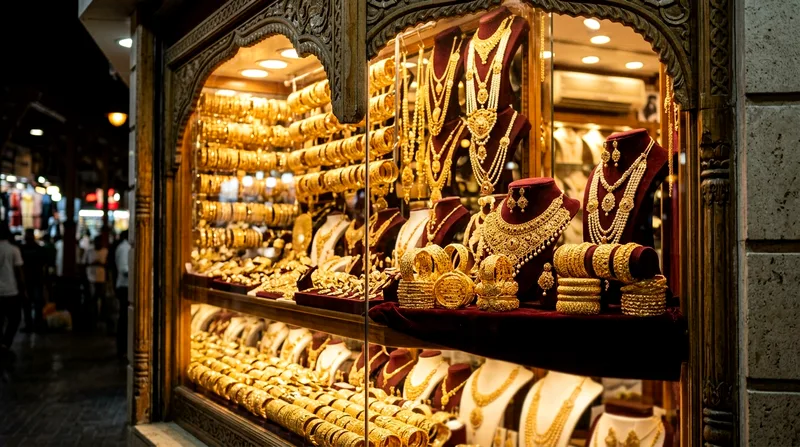
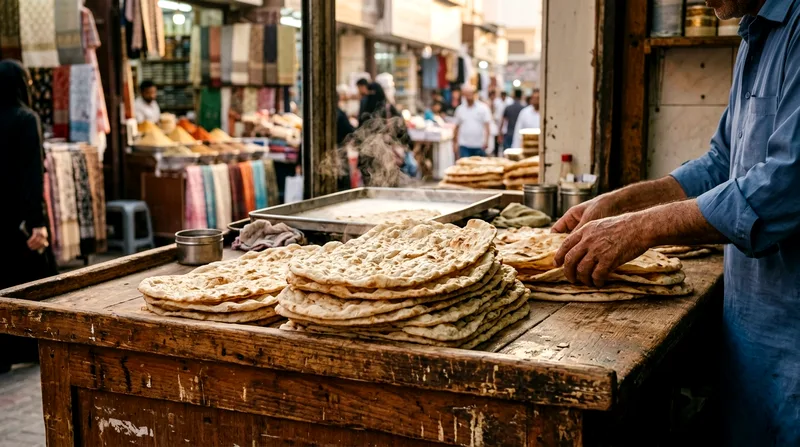
Serious eaters should prioritize tours that stop at working stalls rather than restaurants set up for tour groups — the difference is obvious once you've done one of each. Look for itineraries that name specific dishes (regag bread, chebab pancakes, karak chai) rather than vague "tasting platters." A good sign: the tour description mentions walking through Deira's spice souq or the Dubai Gold Souq area as part of the route, not just ending there for photos. Expect six to nine small tastings over roughly three hours, often starting around sunset when stalls get busier. Avoid tours that promise more than ten stops — quantity usually means smaller, more rushed bites and less context from the guide.
For Couples and Casual Diners
Couples wanting an evening activity that isn't a formal dinner tend to do well with mid-sized group tours of eight to fifteen people, usually in the Bur Dubai or Al Fahidi historic district. These combine food with enough walking to feel like sightseeing — past wind-tower architecture, along the Dubai Creek — without turning into a forced march. The social pace works well here: you're not stuck making conversation with strangers the whole time, but there's enough group energy to make it feel like an outing rather than a guided meal. One drawback worth flagging: evening tours in this category often run close to three hours, which is long if you're jet-lagged on day one.
For Senior Travelers and Accessibility Needs
Not every souq tour is senior-friendly — cobblestone-style paving in parts of Al Fahidi and crowded aisles in Deira's markets can be genuinely tough going. Before booking, check the listed walking distance (some tours run 3-4 km) and ask whether seating breaks are built in. Private or small-group tours generally flex better here, since a guide leading two or four people can slow down, skip a crowded stretch, or arrange a taxi between stops. If mobility is a real concern, a private tour — even at a higher per-person cost — is usually worth it over a fixed-pace group walk.
Dubai Food Tour Categories Compared
Three broad categories cover almost everything marketed as a Dubai food tour, and they don't overlap as much as the marketing copy suggests.
Old Dubai souq tours offer the broadest cuisine variety, while private tours offer the best accessibility and pacing control.
Dubai food tour categories compared by cuisine variety, pace and accessibility
| Tour Category | Typical Duration | Cuisine Variety | Group Size | Best For |
|---|---|---|---|---|
| Old Dubai souq and street food tour | 2.5-3.5 hours | High (Emirati, Iranian, Indian, Lebanese) | 8-20 | First-time visitors, foodies |
| Single-cuisine neighborhood tour | 1.5-2.5 hours | Low to medium (focused) | 6-15 | Repeat visitors, specific interest |
| Private group or family tour | 2-4 hours, flexible | Customizable | 1-6 | Seniors, families, dietary needs |
| Evening market and night food crawl | 2.5-3 hours | Medium to high | 10-20 | Couples, casual diners |
Figures as of 2025; durations and group sizes vary by operator and should be confirmed at booking.
Old Dubai Souq and Street Food Tours
These run through the historic core — Bur Dubai, Al Fahidi, Deira, sometimes crossing the Creek by abra (the small wooden ferry) between stops. Expect spice souq browsing, a textile or gold souq detour, and food stops that mix Emirati dishes with Iranian, Indian, and Lebanese influences reflecting the trading-port history of the area. Typical duration is two and a half to three and a half hours, usually in the late afternoon or evening when the heat drops and the souqs fill up. This category suits first-timers best because it doubles as orientation — you leave understanding the city's layout, not just its food.
Neighborhood Walking Tours by Cuisine Type
A newer category focuses on a single cuisine or theme — an Emirati-only tasting menu, a South Asian food crawl through Karama, or a modern Arabic cuisine tour in a district like Al Satwa. These tend to be shorter, sometimes under two hours, and better suited to repeat visitors who've already done the souq circuit once. The tradeoff is cultural context — you get deeper into one cuisine but miss the market atmosphere that makes the Old Dubai tours memorable for first-timers.
Private Versus Group Tour Experiences
Group tours, often booked through marketplaces like GuruWalk or similar platforms, run cheaper per person and max out around twelve to twenty participants. Private tours cost more per head but let you set the pace, skip dishes you won't eat, and finish early if needed. Families with young children and seniors benefit most from private bookings; budget-conscious solo travelers and couples usually get better value from group departures. One genuine downside of large groups: at a busy stall, service for fifteen people takes time, and you'll spend part of the tour waiting rather than eating.
What to Look for When Booking
Not all food tours are built the same, and the listing page rarely tells you everything that matters. A few details separate a satisfying evening from a disappointing one.
Inclusions, Portion Sizes and Pacing
Check whether drinks — particularly karak chai or fresh juices — are included or extra, since this varies widely. Portion size matters more than stop count: a tour with six generous tastings beats one with eleven bite-sized samples that leave you hungry by 9pm. Read recent reviews specifically for mentions of pacing; "rushed" or "felt crowded at stalls" are red flags. A well-run tour builds in five to ten minutes between stops for walking and commentary, not just eating.
Group Size, Cancellation and Dietary Options
Vegetarian options exist on most mainstream tours now, given Dubai's large South Asian population and the availability of vegetarian Emirati dishes like balaleet or vegetable samboosas, but halal, vegan, and nut-free needs should be flagged at booking, not on arrival. Check the cancellation policy — many allow free cancellation up to 24 hours ahead, which matters given Dubai's heat and the chance of plans changing. Group size listed as "max 20" versus "max 10" tells you a lot about how personal the guiding will feel.
When to Book Your Food Tour
Timing affects both comfort and availability more than most first-time visitors expect.
Seasonal Timing and Weather Considerations
November through March is peak season for outdoor walking tours, with evening temperatures in the comfortable mid-20s Celsius — ideal for a souq crawl. From June through September, daytime heat regularly exceeds 40°C, so any tour outdoors should be booked for after sunset, and even then, expect humidity to make a three-hour walk feel longer. If you're visiting in summer, prioritize tours explicitly marketed as evening or night tours, and consider the private option so you can shorten the route if needed.
Advance Booking and Availability Windows
Popular group tours in Old Dubai and Al Fahidi can sell out 3-5 days ahead during peak winter season and around public holidays like Eid or New Year's Eve. Private tours generally have more flexible availability but need 48-72 hours' notice for dietary customization. Booking the week you arrive is usually fine outside peak months, but don't leave it to the day itself if you have a specific date in mind — compare current food tours and prices before you book to lock in your preferred evening.
Regional Specialties and Cuisine Highlights
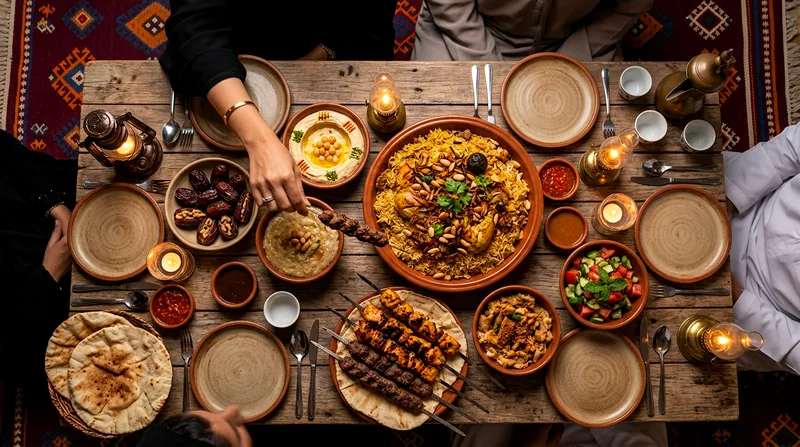
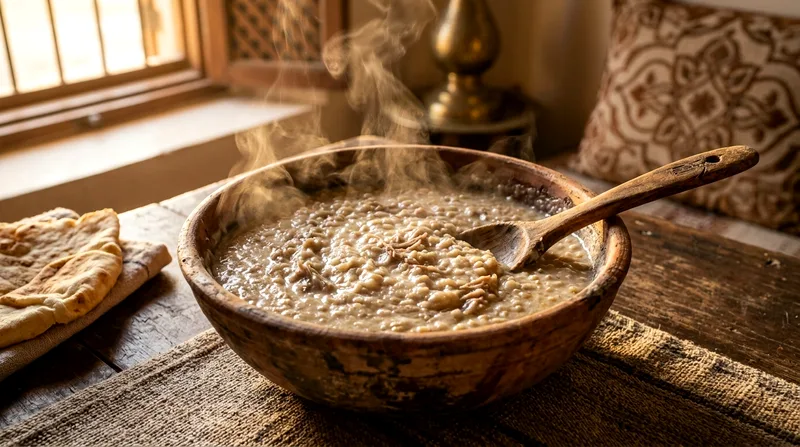
Dubai's food tour scene reflects its trading history more than a single national cuisine — this is the main thing that surprises first-time visitors. Emirati dishes like machboos (spiced rice with meat or fish), luqaimat (fried dough balls in date syrup), and harees (a wheat and meat porridge) sit alongside Lebanese mezze, Iranian kebabs, and Indian street snacks, often within the same few blocks of Deira or Bur Dubai. A tour that only serves Arabic cuisine in the narrow sense — hummus, shawarma, falafel — is skipping half of what makes Old Dubai's food scene distinct.
The souqs themselves are worth treating as a destination, not a backdrop. The spice souq in Deira and the textile souq in Bur Dubai predate most of modern Dubai, and a guide who explains the trade routes behind the saffron, cardamom, and dried lime on display adds real value you won't get eating the same dishes alone. If your itinerary includes other Gulf stops — Doha's souqs or Muscat's Mutrah market offer a comparable but distinctly Omani flavor — a Dubai food tour makes a useful point of comparison, since Dubai's version is more commercialized and multicultural by contrast. Travelers continuing to Abu Dhabi or Sharjah will notice those food scenes lean more heavily Emirati and less internationally blended than Dubai's.
Frequently asked questions
What are some good food tours in Dubai?
Look for small-group walking tours through Old Dubai covering Bur Dubai, Al Fahidi, and Deira — these combine souq exploration with six to nine tastings over roughly three hours. Platforms like GuruWalk list independently guided options, while dedicated operators such as PinkAlien Food Tours focus specifically on street food routes. Always check recent reviews for comments on pacing and portion size rather than relying on the star rating alone.
How many dishes are included in a food tour?
Most group tours include between six and ten tastings, ranging from small bites like samboosas to more substantial plates such as machboos or grilled kebabs. Private tours can be customized to include more or fewer stops. If a tour advertises more than twelve stops, expect smaller portions per stop rather than a larger overall meal.
Are vegetarian options available on food tours?
Yes — most mainstream Dubai food tours now include vegetarian dishes like balaleet, vegetable samboosas, or paneer-based snacks, reflecting the city's large South Asian community. Vegan, halal-strict, or allergy-specific requirements should be mentioned at the time of booking so the guide can adjust the stop list in advance.
What is the best time to book a Dubai food tour?
Book three to five days ahead during the winter high season (November to March) or around holidays like Eid, when popular group tours can sell out. Outside peak months, booking a few days before your preferred date is usually sufficient. Always choose an evening slot in summer, since daytime heat above 40°C makes walking tours uncomfortable.
Which neighborhoods offer the best food tour experiences?
Bur Dubai and Al Fahidi offer the most atmospheric routes, with historic architecture alongside food stops, while Deira is better for serious market browsing, including its spice and gold souqs. Karama and Al Satwa are worth seeking out for single-cuisine tours focused on South Asian or modern Arabic food, though they're less commonly covered by mainstream tour listings.