
Learn how to save on Dubai luxury tours with timing, combo tickets, and booking tactics that cut costs without lowering quality.
Where Your Money Goes on Luxury Tours
Premium experiences in Dubai don't always require premium prices when you know where to find savings. But before chasing discounts, it helps to understand what you're actually paying for — because that's where the real negotiating room lives.
A yacht charter on the Arabian Gulf, a private desert safari with a dedicated guide, or a table at one of Dubai's Michelin-starred restaurants all carry costs beyond the obvious. You're paying for exclusivity (fewer people sharing the experience), logistics (fuel, permits, staff), and brand positioning. That last one is the squishy part. A five-star hotel's "signature" yacht package and an independent charter company's near-identical boat can differ by 30% in price for comparable square footage and crew size.
Understanding this matters because it tells you where discounts are legitimate and where they're cosmetic. A hotel bundling a desert safari into a room package is usually a real saving — they're buying in bulk from operators and passing some margin back to you. A "limited time luxury offer" with no stated original price is a red flag; there's nothing to compare it against.
Operator margins and service quality
Tour operators in Dubai typically work on margins between 15% and 35%, depending on how much of the experience they control directly versus subcontracting. A company that owns its own yacht and employs its own desert safari guides can price more consistently and often more fairly than one that resells capacity from three different subcontractors. The resellers aren't necessarily worse — but their pricing swings more with demand, which is exactly where you can find cheaper slots if you're flexible on timing.
Inclusions that justify premium pricing
Not all luxury pricing is inflated. A private guide with specialist knowledge of the Dubai desert ecosystem, a yacht captain licensed for Arabian Gulf waters, or a restaurant with an actual Michelin star behind it — these are inclusions worth the markup. The trick is distinguishing a justified premium from a brand tax. Ask what's included in writing before comparing two similarly priced options; sometimes the cheaper one includes more.
Timing and Seasonal Discounts
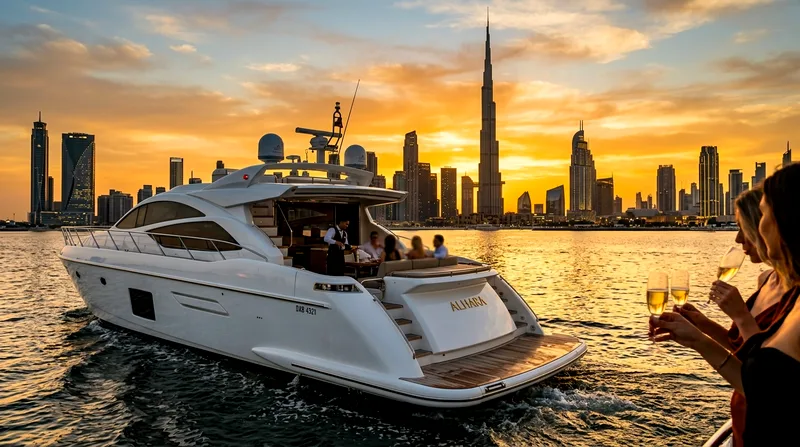
Timing is the single biggest cost lever in Dubai, more than any discount code ever will be. Dubai's climate swings hard — from pleasant, low-humidity winters (November to March, 20-28°C) to brutally hot, humid summers (June to September, regularly above 40°C). That swing drives tourism volume, and tourism volume drives luxury pricing almost one-to-one.
Shoulder season (April-May, October-November) offers the best balance of comfortable weather and lower luxury tour pricing in Dubai.
Dubai luxury tour pricing by season: when to book for the best value
| Season | Months | Relative Pricing | Comfort Level | Best For |
|---|---|---|---|---|
| Peak season | Dec-Mar | Highest | Excellent | First-time visitors, holiday travel |
| Shoulder season | Apr-May | Moderate | Good | Value seekers, couples |
| Off-peak summer | Jun-Sep | Lowest | Poor by day, good at night | Budget-conscious, evening activities |
| Shoulder season | Oct-Nov | Moderate | Good | European travelers, families |
Pricing patterns reflect general Dubai tourism demand trends as of 2025; always check current prices when booking.
Off-peak season pricing
June through September is genuinely off-peak for a reason — the heat makes outdoor activities like desert safaris or open-deck yacht time uncomfortable during the day. But that's exactly where off-season luxury activities in Dubai get interesting. Hotels drop luxury room rates by 30-50% compared to January, and that often drags down bundled tour pricing too. Evening and night experiences — sunset yacht cruises, after-dark desert camps with air-conditioned majlis tents, rooftop dining — work fine in summer and cost noticeably less than their winter equivalents. If you can handle daytime heat by staying indoors (mall, museum, Burj Khalifa observation deck) and saving outdoor luxury activities for evening, summer is your cheapest luxury window.
Shoulder season opportunities
April-May and October-November are the shoulder months — warm but not unbearable, with noticeably thinner crowds than December-March. This is probably the best value window for most travelers: comfortable enough for a full-day desert safari or a late-morning yacht trip, but without peak-season pricing or the booked-out calendars you'll hit in February. European travelers in particular should target late October or April, avoiding both the summer heat and the winter crowds driven by Christmas and New Year arrivals.
Package Deals and Combo Tickets
Combo tickets are one of the few places in Dubai's luxury market where the savings are structural rather than promotional. Bundling two or three experiences — say, Burj Khalifa "At the Top" access plus a desert safari plus a dinner cruise — through one combined ticket typically costs 10-20% less than booking each separately, because the seller is moving volume and passing part of that efficiency to you.
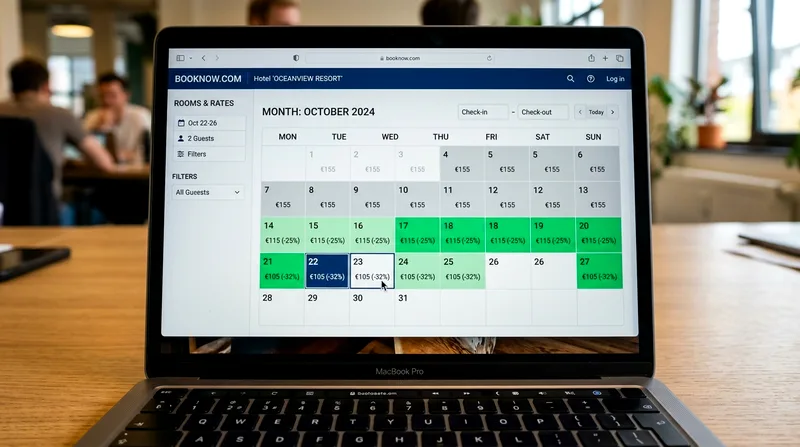
Multi-experience bundles
Look for bundles that pair a high-margin attraction (Burj Khalifa, Museum of the Future) with a lower-margin, higher-cost one (yacht charter, desert safari). The attraction operator often subsidizes the bundle to drive footfall, which lowers your blended cost. Be wary of bundles padded with filler inclusions you won't use — a "7-in-1 super pass" sounds efficient but is a bad deal if you'll only realistically do three of the seven.
Hotel and tour partnerships
Many of Dubai's luxury hotels have standing partnerships with yacht charter companies and safari operators, and they'll sometimes include a discounted add-on experience with a multi-night stay. This is worth asking about directly when booking your room rather than assuming it'll be advertised — some properties only mention it if you ask the concierge or reservations team specifically about package rates.
What's Not Worth Skimping On
Here's where I'll push back on the instinct to save everywhere. Dubai's luxury tourism sector has real quality variance, and some corners are not worth cutting — ever.
Safety and insurance coverage
Desert safaris involve dune driving at speed, and yacht charters involve open water on the Arabian Gulf. Both activities need licensed operators — for yachts, that means a valid commercial charter license from Dubai's maritime authority; for desert driving, trained drivers and vehicles maintained for off-road use. A noticeably cheaper quote with no mention of licensing or insurance coverage isn't a bargain, it's a liability you're assuming. Always ask directly whether the operator carries passenger liability insurance before paying a deposit.
Guide expertise and credentials
A generic tour guide reading from a script is a different product from a specialist who can answer real questions about Bedouin history, falconry, or Gulf marine ecology. If you're paying for a "premium" desert safari or city tour, the guide's depth of knowledge is often the actual premium — not the vehicle or the lunch spread. Don't downgrade this to save money; downgrade the vehicle class or group size instead.
Booking Checklist for Best Rates
A little diligence before you pay protects both your wallet and your experience.
Verification steps before booking
Compare at least three listings for the same category of experience (not identical operator) before booking — this tells you the real market range rather than trusting one listed "discount." Check what's explicitly included: fuel surcharges, park or marina fees, and gratuities are common add-ons that inflate the final price past what you compared. For yacht charters specifically, confirm the boat length and passenger capacity; a "luxury yacht" advertised at a low price might be a smaller vessel than you assumed.
Documentation and confirmation
Get a written confirmation listing exact pickup times, duration, and inclusions — verbal assurances from a sales agent don't hold up if something's missing on the day. For desert safaris and yacht trips booked through third parties, confirm who to contact on the day of the activity, not just at booking. This single step avoids most of the disputes that show up in post-trip complaints.
Frequently asked questions
When is the best time to book Dubai luxury tours for discounts?
Shoulder season (April-May or October-November) offers the best mix of comfortable weather and lower pricing. For the absolute lowest prices, June through September is cheapest overall, but daytime outdoor activities are uncomfortably hot — shift to evening yacht or desert experiences during these months.
How much can you save by booking luxury experiences in advance?
Booking 30+ days ahead for yacht charters, private safaris, or dinner cruises generally secures better rate tiers than booking within two weeks, since operators release cheaper inventory first. This doesn't apply during off-peak summer months, when demand is low enough that early booking offers little extra savings.
Are combo tickets cheaper than booking individual luxury activities?
Usually yes, by around 10-20%, especially when bundles pair a high-footfall attraction like the Burj Khalifa with a higher-cost experience like a desert safari. Avoid bundles padded with extra inclusions you won't actually use — that erases the savings.
What luxury experiences should you never compromise on for savings?
Never cut corners on operator licensing, insurance coverage, or guide expertise for yacht charters and desert safaris. These activities involve real risk — open Arabian Gulf water and high-speed dune driving — and a cheap, unlicensed operator is a genuine safety gap, not a bargain.
Do group bookings offer better rates on premium Dubai tours?
Yes — private yachts and vehicles are priced per boat or per vehicle, not per person, so larger groups significantly lower the per-person cost. Couples or solo travelers can get similar savings by joining semi-private shared departures instead of booking a fully private tour.