Discover why Dubai morning desert safaris suit families and seniors. Compare tour types, booking tips, and what to expect from early starts.
Who Should Book a Morning Desert Safari
A Dubai morning desert safari is built for people who want the desert experience without the heat, the crowds, or the late night. Temperatures in the Arabian Desert climb fast after 9am for most of the year, and by midday in June through September the sand surface can be hot enough to make walking uncomfortable even in closed shoes. Starting at 6am or 7am, as most morning tours do, means you're out on the dunes near Al Marmoom or the Lahbab Desert while the air is still manageable — often 10-15°C cooler than the afternoon peak.
That matters more than it sounds. I'd rank morning safaris above evening ones for two groups specifically: families with small children and senior travelers. Everyone else has a genuine choice to make, and it comes down to what you actually want from the day.
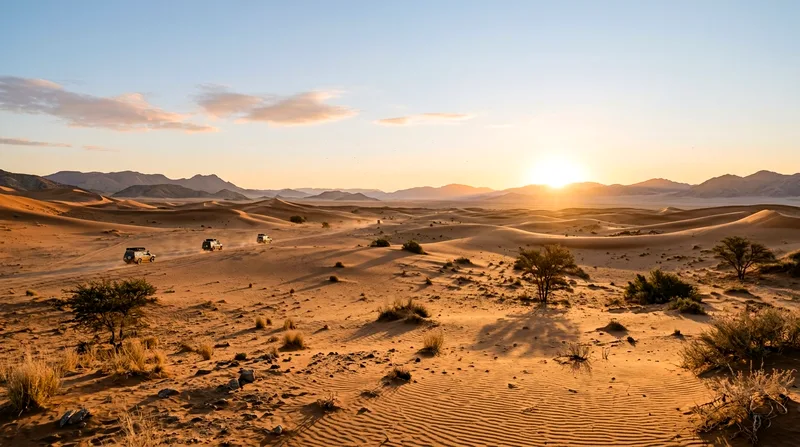
Solo travelers and couples who want photography light without the dinner-and-show package should also consider mornings — the low sun angle over the dunes near sunrise produces far better photos than the flat midday light most afternoon tours get stuck with before the evening show starts. World travelers who've already done a desert excursion in Oman's Wahiba Sands or outside Doha may find Dubai's morning version less dramatic in scale but more convenient logistically, since pickup points across the city are well established and drive times to Al Marmoom run around 45 minutes to an hour.
Families with small children
Kids under about 8 years old generally do better with shorter, cooler outings, and a morning safari typically runs 3 to 4 hours rather than the 6-plus hours an evening package with dinner can stretch to. There's also less dune bashing intensity on most morning itineraries, since operators tend to pace the drive more gently when wildlife spotting is part of the plan — a bonus if your child gets carsick on sharp dune descents. Avoid any tour that markets itself purely as an "extreme dune bashing" experience for a family booking; ask specifically about ride intensity before confirming, since this varies a lot between operators and isn't always obvious from the listing.
Seniors and older travelers
Heat exhaustion risk is the real concern for older travelers in Dubai's desert, and morning timing directly addresses that. Many morning tours also offer camel riding and sandboarding at a gentler pace than the rushed, multi-activity afternoon-to-evening format. If mobility is a concern, ask before booking whether the vehicle requires climbing in and out at multiple stops — some 4x4 safari vehicles sit higher off the ground than a typical sedan, which can be awkward. A private tour, discussed below, gives more control over pacing and rest breaks than a shared group vehicle does.
Main Tour Categories and Comparisons
Morning desert safaris in Dubai generally fall into a handful of recognizable formats, and knowing which one you're actually booking matters more than the marketing copy suggests — many listings blur the lines between "safari," "dune drive," and "desert adventure tour" without much distinction.
Private morning tours cost more but suit families and seniors better, while shared group tours offer the same core activities at a lower price for solo travelers and couples.
Dubai morning desert safari tour types compared by group size, duration, and inclusions
| Tour Type | Typical Group Size | Duration | Typical Inclusions | Best For |
|---|---|---|---|---|
| Shared Group Dune Drive | 4-6 per vehicle | 3-4 hours | Pickup, dune bashing, light refreshments | Solo travelers, couples, budget bookings |
| Private Morning Safari | 1 family/group per vehicle | 3-4 hours | Pickup, flexible pacing, camel ride option | Families with young kids, seniors |
| Wildlife-Focused Morning Tour | 4-8 per vehicle | 3-4 hours | Guided walk, conservation reserve access, light breakfast | Wildlife-watchers, photographers |
| Morning Dune Bashing Only | 4-6 per vehicle | 1.5-2 hours | 4x4 drive, short photo stop | Short-timers, solo travelers |
| Combined Morning + Activities | 4-6 per vehicle | 4-5 hours | Dune bashing, sandboarding, camel ride, breakfast | Families, first-time visitors |
Figures as of 2025; exact durations, group sizes, and inclusions vary by operator — compare current listings and reviews before booking.
Dune bashing experiences
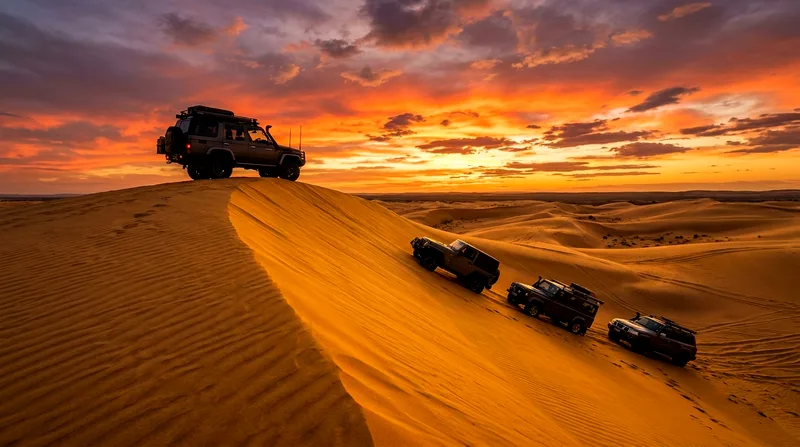
This is the 4x4 off-road driving portion — a guide takes a Land Cruiser or similar vehicle over the dunes at varying speed and incline. Morning dune bashing tends to be shorter and less aggressive than the evening version, often 30-45 minutes rather than a full hour of continuous driving, partly because the sand is firmer and cooler and partly because operators pair it with wildlife viewing or a desert walk rather than treating it as the main event. If you get motion sick easily, sit in the front seat and say so when booking — most operators will accommodate this request. I wouldn't recommend dune bashing at all for anyone with a back or neck condition; the jolting is real, not exaggerated marketing language.
Private versus group tours
Group tours are the default and the cheaper option — you'll typically share a vehicle with 4-6 other travelers, and the tour follows a fixed schedule with little room for customization. Private tours cost more, generally somewhere in the range of double to triple a shared seat depending on vehicle and inclusions, but they let you set pickup time within the operator's window, adjust pacing, and skip waiting around for other passengers to finish photos. For families with very young kids or anyone with mobility needs, the extra cost of a private vehicle is usually worth it. For solo travelers or budget-conscious couples, a group tour is perfectly fine — you're not missing much by sharing the ride.
What to Look for When Booking
Not all morning desert safari listings are built the same way, and the differences aren't always clear from the headline description. Read past the first paragraph.
Inclusions and amenities
A typical morning package includes hotel pickup and drop-off, the 4x4 drive, and some combination of camel riding, sandboarding, and a light breakfast or refreshments at a desert camp. Some add falconry displays or a short guided walk focused on desert wildlife and ecosystems — look for these if you're interested in spotting Arabian oryx, gazelle, or the smaller reptiles and birds native to the Al Marmoom Desert Conservation Reserve, which is a protected area and generally has better wildlife odds than unprotected dune areas. Don't assume breakfast is substantial — it's often tea, coffee, and pastries rather than a full meal, so eat before you leave if you have a long morning ahead.
Group size and cancellation policies
Check the maximum vehicle capacity listed — a "group tour" can mean 4 people in one 4x4 or a convoy system with 20+ people split across several vehicles, and the experience differs a lot between those. Cancellation policies vary: many allow free cancellation up to 24 hours before pickup, but weather-related cancellations (sandstorms do happen, more often in spring) are handled differently by different operators, so read that clause specifically rather than assuming it matches the general policy. Always compare current reviews and cancellation terms before you book, since these details change operator to operator and season to season.
Best Time to Book Your Safari
Timing your booking well affects both price and availability, and the two considerations — season and lead time — work somewhat independently of each other.
Seasonal considerations
November through March is peak season across the United Arab Emirates, with daytime temperatures in the comfortable 20-28°C range, which is also when European travelers arrive in the largest numbers to escape winter at home. Morning safaris during these months book out faster and demand is higher. April and October are shoulder months — still reasonable, less crowded. June through September is genuinely hot, often exceeding 40°C even in early morning, and while tours still run (often with earlier 5:30am pickups to beat the heat), this is arguably when the morning format earns its keep most, since afternoon or evening alternatives become close to unbearable.
Advance booking windows
For peak season (December, January, February especially around holidays), book 2 to 4 weeks ahead if you want choice of private versus group, specific pickup times, or a particular wildlife-focused itinerary. In shoulder and off-peak months, a week's notice is usually enough, and some travelers book just a few days out without trouble. If your trip also includes day trips to Abu Dhabi, Sharjah, or Ras Al Khaimah, book the desert safari first — it's the most weather- and season-sensitive piece of a typical Dubai itinerary, and locking it in early protects your preferred morning slot.
Morning vs Afternoon: Key Differences
The afternoon-to-evening safari is Dubai's more famous format — it usually runs from late afternoon through sunset and into a desert camp dinner with entertainment like belly dancing and tanoura shows. It's a longer, more social, more produced experience. The morning version strips that away and replaces it with cooler temperatures, better wildlife visibility, and a shorter overall commitment.
The trade-off is real: you get comfort and practicality in the morning, spectacle and atmosphere in the evening. Compare that to other UAE desert experiences — a desert safari from Abu Dhabi into the Liwa or Rub' al Khali dunes tends to emphasize scale and remoteness more than Dubai's Lahbab or Al Marmoom options, which are closer to the city and easier logistically but less dramatic in landscape. If your itinerary includes stops in Al Ain or Fujairah, note those regions lean more toward mountain and oasis scenery than dune safaris, so don't expect a comparable desert product there.
For most families and seniors, I'd book morning without hesitation. For couples wanting a classic "Arabian nights" photo opportunity and a fuller evening out, the traditional dinner safari still wins — just plan for the heat if traveling June through September.
Frequently asked questions
Why is morning better for desert safaris in Dubai?
Mornings avoid peak heat — daytime desert temperatures climb fast after 9am for most of the year, sometimes 10-15°C higher by midday than at sunrise. Cooler air also makes wildlife more active and visible, and the lower sun angle gives better photo light than the flat glare of midday.
What's included in a typical morning desert safari?
Most include hotel pickup and drop-off, a 4x4 dune drive, and some combination of camel riding, sandboarding, and light refreshments or breakfast at a desert camp. Wildlife-focused tours may add a guided walk through a conservation area like Al Marmoom. Always check the specific listing, since inclusions vary.
Are morning safaris suitable for young children?
Generally yes, more so than evening tours — shorter duration, cooler temperatures, and often gentler dune bashing pacing. Confirm ride intensity with the operator before booking if your child is prone to motion sickness, and consider a private vehicle for more control over pacing and stops.
How far in advance should I book?
Book 2-4 weeks ahead during peak season (December through February), especially around holidays. In shoulder months like October, April, or November, a week's notice is usually sufficient. Always check current availability and cancellation terms when booking, since these shift seasonally.
What's the difference between private and group morning tours?
Group tours share a vehicle with other travelers on a fixed schedule and cost less. Private tours use one vehicle per group or family, allow flexible pacing and pickup timing, and typically cost roughly double to triple a shared seat — worth it for families with young children or travelers with mobility needs.