Compare Dubai and Abu Dhabi desert safaris side-by-side: terrain, crowds, pricing, and transfer times. Choose the right safari for your UAE trip.
Quick Comparison: Dubai vs Abu Dhabi
Both emirates sell you the same basic promise — dunes, a 4x4, a sunset, maybe a camel — but the Dubai desert safari vs Abu Dhabi desert safari question comes down to what you actually want from a few hours in the sand. Dubai is faster to reach, cheaper on average, and comes with more add-ons (entertainment camps, barbecue dinners, henna stations). Abu Dhabi, particularly safaris pushing toward the edge of the Rub al Khali (the Empty Quarter), gives you deeper red dunes, more space between vehicles, and a landscape that looks genuinely remote rather than curated for tour buses.
Neither is "better" in the abstract. I'd say Dubai safaris are the better first experience for anyone unsure if dune bashing even agrees with their stomach, while Abu Dhabi suits people who've already done a generic desert tour somewhere else — Morocco, Jordan, Oman — and want the UAE version to feel distinct rather than repetitive.
Dubai safaris cost less and take less travel time, while Abu Dhabi safaris offer taller red dunes and lower crowd density.
Dubai desert safari vs Abu Dhabi desert safari: key factors compared
| Option | Transfer time from Dubai hotels | Typical half-day price (USD) | Dune color/height | Crowd density | Best for |
|---|---|---|---|---|---|
| Dubai (Al Marmoom area) | 30-45 min | $40-80 | Golden, low-moderate | High, especially evenings | First-timers, families, short stays |
| Abu Dhabi (closer reserves) | 1.5-2 hrs | $70-120 | Reddish, moderate | Moderate | Couples, repeat visitors |
| Abu Dhabi (Liwa/Empty Quarter) | 2.5-3.5 hrs | $120-200+ | Deep red, tall, dramatic | Low | Photographers, landscape seekers |
Figures approximate as of 2024-2025; prices vary by season, group size, and inclusions — always check current prices when booking.
What each destination offers
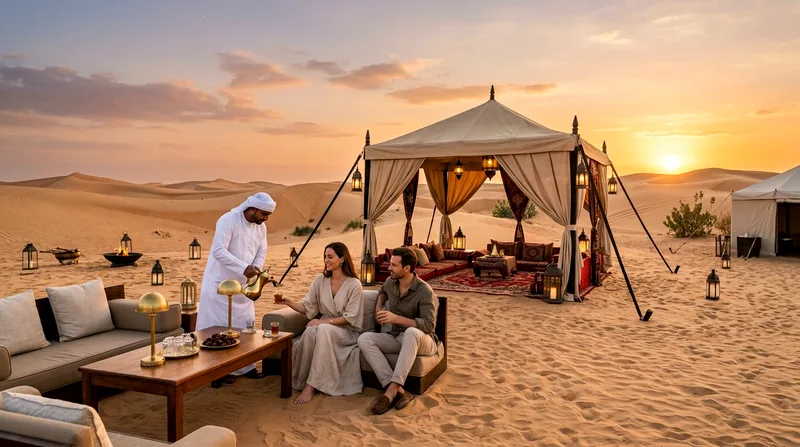
Dubai's desert sits close to the city, mostly in the Al Marmoom Desert Conservation Reserve and nearby dune fields, meaning operators can run multiple departures a day with pickup from Burjuman and most downtown hotels. The package model here is built for volume: dune bashing, a camel photo stop, a desert camp with buffet dinner, shisha, and a stage show. Abu Dhabi's safari zones push further out, often toward Liwa, the gateway to the Empty Quarter. The dunes there are taller, redder, and the camps tend to be smaller and less theatrical — fewer stage shows, more actual quiet.
Key differences at a glance
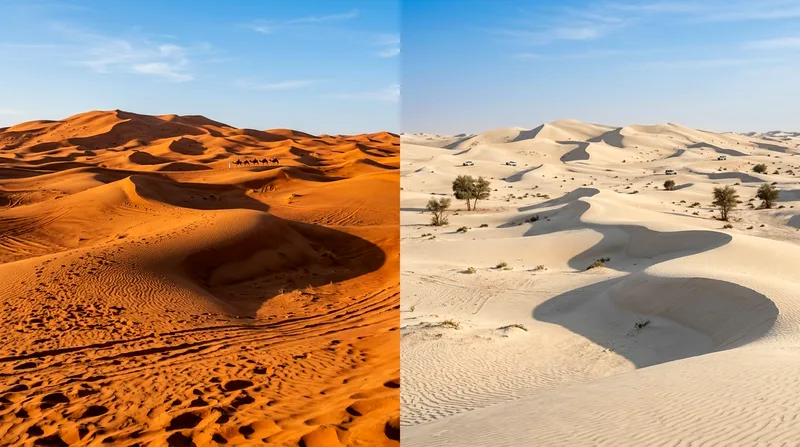
The practical differences break into three buckets: distance, sand color, and crowd density. Dubai's dunes are golden-beige, rounded, and relatively low — good for beginners and for families with kids who find knife-edge dunes intimidating. Abu Dhabi's Liwa-area dunes run taller and redder, with a mineral content that gives them a deeper color, especially at golden hour. Abu Dhabi safaris also run with noticeably smaller convoys in most cases, simply because fewer operators make the longer trip worthwhile for a half-day tour.
Dune Terrain and Landscape Differences
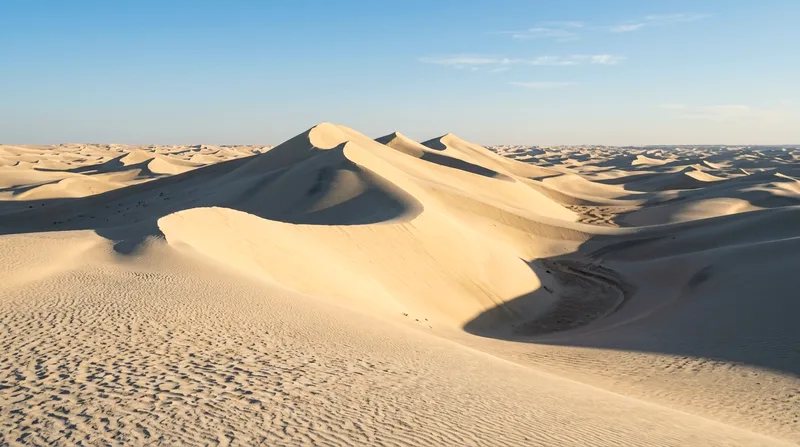
Sand isn't just sand once you've seen both. This is where the comparison actually matters most for photographers and anyone who cares what their trip looks like in photos afterward.
Dubai's golden dunes and terrain
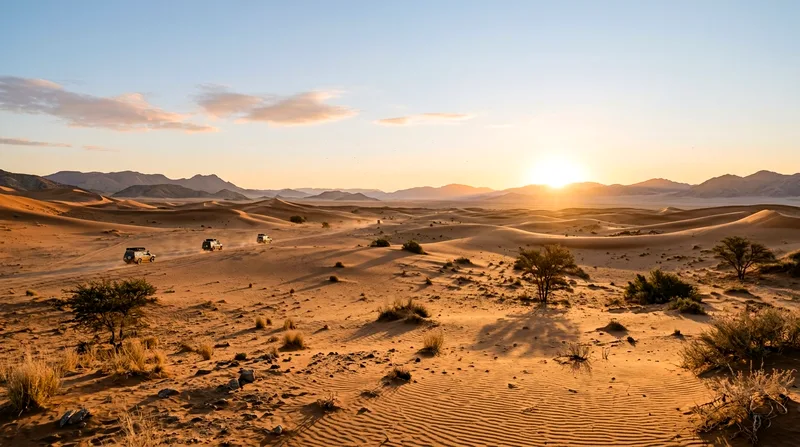
Dubai's desert, mainly in and around Al Marmoom, is golden-beige with dunes that rise and fall in gentle waves rather than sharp ridges. It's forgiving terrain for dune bashing — vehicles can build speed and angle without the sheer drop-offs you get further south — which is part of why Dubai safaris feel more like a ride and less like a landscape experience. The trade-off is visual sameness: once you've seen one stretch of Al Marmoom at sunset, you've essentially seen the Dubai desert. It photographs well but doesn't surprise you.
Abu Dhabi's red sands and Empty Quarter
Head toward Liwa and the edge of the Rub al Khali and the color shifts to a genuine rust-red, caused by iron oxide coating in the sand grains. Dunes here can reach well over 100 meters, with ridgelines sharp enough that standing on one with nothing but sand in every direction feels closer to the Sahara than anything near Dubai. This is the UAE's actual Empty Quarter frontier, shared loosely with Saudi Arabia and Oman — Oman's own Wahiba Sands offers a similar red-dune experience if you're weighing a wider Gulf itinerary. The catch: getting to the best of it from Dubai eats half a day in driving alone.
Pricing, Time, and Effort Breakdown
Cost and convenience usually decide this for people with limited vacation days, and it's worth being blunt about the gap between the two options.
Tour costs and package options
A standard Dubai evening safari with dune bashing, camel stop, and camp dinner typically runs $40-80 per person, with premium versions (private vehicle, VIP camp seating, quad biking add-ons) pushing toward $150. Abu Dhabi safaris staying closer to the city cost somewhat more, roughly $70-120, mostly because of the longer drive and smaller group sizes. Full Empty Quarter or Liwa-focused trips, sometimes sold as overnight desert camping packages, can run $120-200+ per person, occasionally bundled through broader UAE touring operators such as On The Go Tours as part of a multi-day itinerary rather than a standalone excursion. Always check current prices when booking, since fuel surcharges and seasonal demand shift these ranges more than people expect.
Transfer times from Dubai hotels
This is the single biggest practical differentiator. Dubai desert reserves sit 30-45 minutes from most hotels in Downtown, Marina, or near Burjuman, meaning a 4pm pickup gets you dune bashing by sunset with time to spare. An Abu Dhabi safari from Dubai is a different commitment: closer desert zones near Abu Dhabi city run 1.5-2 hours each way, while a genuine Liwa or Empty Quarter trip is 2.5-3.5 hours one-way. Round that out and you're looking at a 6-8 hour day minimum for the real red-dune experience, which only makes sense if you're staying in Abu Dhabi itself for a night or two rather than day-tripping from Dubai.
Crowd Levels and Peak Times
Nobody mentions crowding in the brochures, but it shapes the experience more than the dune color does.
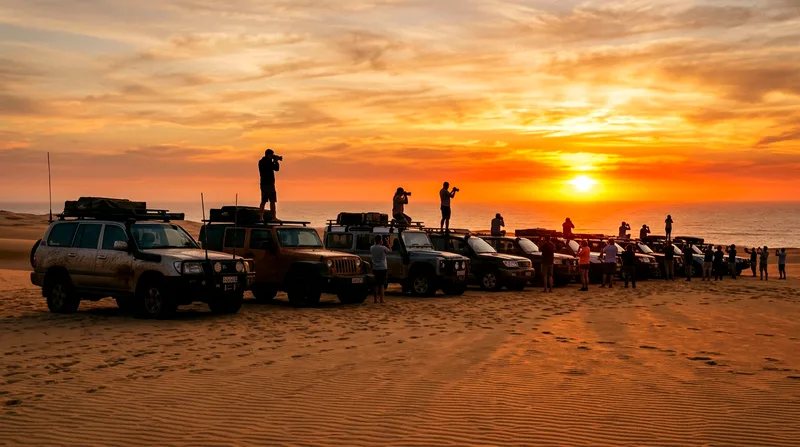
Tourist density and busy seasons
Dubai's desert reserves run convoys of 15-30 vehicles during peak season (November through March), departing in waves timed for sunset photos. At the camps, expect hundreds of visitors rotating through buffet lines and stage shows simultaneously — it's efficient but not quiet. Abu Dhabi's safaris, even the closer ones, run smaller fleets simply because fewer companies operate the route; Liwa-area trips might see a handful of other vehicles across an entire afternoon. Compare that to the congestion you'd find at a Sharjah or Ras Al Khaimah desert camp on a weekend, both of which have grown busier in recent years as Dubai overflow tourism spreads outward.
Best times for fewer crowds
If crowding bothers you, avoid Dubai desert safaris on Thursday and Friday evenings (the local weekend) and during December-January peak tourist season — book a weekday morning dune drive instead, which runs noticeably emptier. Abu Dhabi doesn't have the same pressure, but if you want it near-empty, aim for a weekday departure outside the October-April high season. Summer (June-August) empties out both deserts due to heat exceeding 45°C by midday, which is also why most safaris shift to late afternoon departures only during those months.
Which Safari Should You Choose?
There's no universally correct answer here, which is probably not what you want to hear after reading this far — but the decision really does split cleanly by traveler type and trip length.
Best for budget travelers
If cost and time matter more than bragging rights about dune height, book Dubai. You'll pay less, spend under an hour in transfers each way, and still get genuine dune bashing, a camel encounter, and a barbecue dinner under open sky. This is also the better call for families with young children, since shorter transfers mean fewer cranky backseat hours, and Dubai operators are generally better equipped for child seats and shorter "junior" dune-bashing routes.
Best for unique landscape seekers
If you've already done a desert safari elsewhere — or you're the type who'll regret not chasing the better photo — Abu Dhabi's Liwa and Empty Quarter routes are worth the extra driving. Compare it mentally to choosing between a quick Doha city stopover and flying on to Muscat's mountains: one is efficient, the other rewards the extra effort. Pair the Abu Dhabi safari with a night in the city itself (Louvre Abu Dhabi, Sheikh Zayed Mosque) rather than a rushed day trip, and consider stacking it against a Fujairah or Al Ain excursion if you're building a slower, multi-stop UAE itinerary rather than a Dubai-only trip.
Frequently asked questions
Which desert safari is best in the UAE?
Depends on priorities. Dubai's safari is best for convenience, lower cost ($40-80 typical), and shorter transfers (30-45 minutes). Abu Dhabi's Empty Quarter routes are best for dramatic red dunes and fewer crowds, but demand 2.5-3.5 hours of driving each way from Dubai. Neither is objectively superior — match the choice to your schedule and tolerance for travel time.
Is Abu Dhabi desert safari cheaper than Dubai?
No, generally the opposite. Dubai safaris average $40-80 per person for a standard half-day package, while Abu Dhabi safaris run $70-120 closer to the city and $120-200+ for Liwa or Empty Quarter trips, mainly due to longer transfers and smaller group sizes. Always check current prices when booking since seasonal demand shifts these ranges.
How far is Abu Dhabi safari from Dubai?
Closer Abu Dhabi desert reserves are roughly 1.5-2 hours from Dubai hotels by road. Genuine Empty Quarter or Liwa-area safaris run 2.5-3.5 hours one-way, making a round trip 5-7 hours of driving alone — factor that into whether a day trip or an overnight Abu Dhabi stay makes more sense.
What activities are included in each safari?
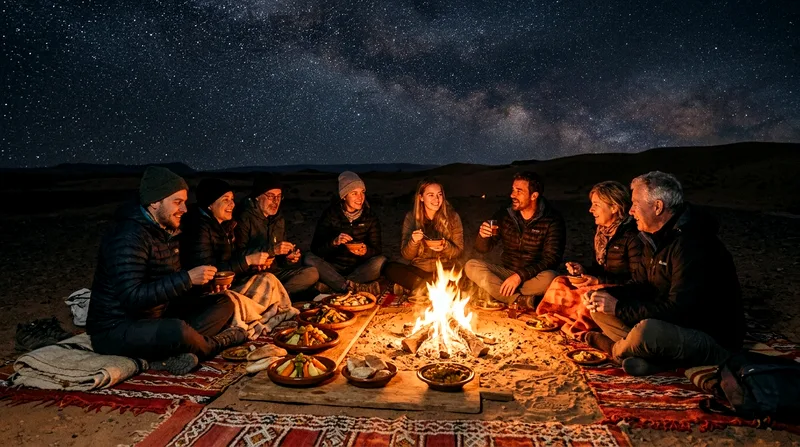
Dubai packages typically include dune bashing, a camel photo stop, henna application, shisha, and a buffet dinner with a stage show at an evening desert camp. Abu Dhabi safaris cover similar dune bashing and camel stops but usually skip the elaborate entertainment camps, focusing instead on quieter sunset viewing and sometimes overnight camping options near Liwa.
Which desert has fewer crowds?
Abu Dhabi, especially Liwa and Empty Quarter routes, sees far fewer vehicles and visitors than Dubai's Al Marmoom reserve, where convoys of 15-30 vehicles are common during peak season (November-March). For the quietest Dubai experience, book a weekday morning dune drive instead of a Thursday or Friday sunset slot.