Compare Dubai evening desert safari types by dune bashing, dinner and entertainment. Find the right sunset desert tour for couples, families or thrill-seekers.
Dubai Evening Desert Safari: What You're Actually Booking
Evening desert safaris in Dubai sell an experience that sounds identical on every booking page: dune bashing, a camel photo stop, a Bedouin-style camp, a barbecue dinner, and a show under the stars. In practice, the gap between a mediocre version and a good one is significant — and it usually comes down to three things: how many people are crammed into your Land Cruiser, what's actually on the dinner buffet, and whether the camp feels like a theme park or something closer to authentic.
I'd say this upfront: the evening safari is the single most-booked tour in Dubai for a reason — it packs sunset views, adrenaline, food, and culture into one afternoon-to-night package, usually four to six hours door-to-door. But it's also the category where corner-cutting is easiest to hide, because every camp looks similar in photos. This guide breaks down the real differences between tour categories — group versus private, standard versus premium, activity-heavy versus relaxed — so you know what you're paying for before you compare current listings on Viator or TripAdvisor.
Evening Safari Categories Compared
Nearly every evening desert safari follows the same skeleton: hotel pickup in the mid-to-late afternoon, a drive to the Lahbab Desert (about 45-60 minutes from most Downtown or Marina hotels, since it's the main dune-bashing zone near Dubai), 20-30 minutes of dune bashing, a stop for sunset photos, then a camp experience with dinner and entertainment lasting two to three hours. What changes between tour categories is depth and comfort, not the basic structure.
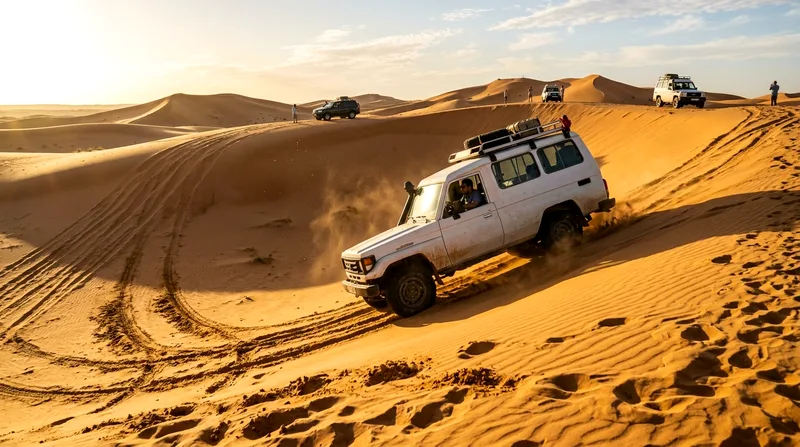
Private and premium desert safaris cost more but trade crowded convoys and shared buffets for smaller camps and more flexible timing.
Dubai evening desert safari types compared: group, private, standard and premium
| Safari Type | Typical Duration | Group Size | Dinner Style | Best For |
|---|---|---|---|---|
| Standard group safari | 5-6 hours | Shared 4x4, convoy of many vehicles | Buffet BBQ, shared seating | Budget travelers, solo travelers, large groups |
| Private safari | 4-6 hours (flexible timing) | Your group only | Buffet or semi-private dining | Couples, families wanting control |
| Premium/VIP camp package | 5-6 hours | Shared or private vehicle | A-la-carte or upgraded buffet | Couples, special occasions |
| Activity-focused safari | 5-6 hours | Shared 4x4 | Standard buffet | Adventure travelers, teens, groups wanting sandboarding/quad bikes |
| Relaxation-focused camp | 4-5 hours | Shared or private | Standard to premium buffet | Senior travelers, those avoiding dune bashing |
Figures reflect typical 2024-2025 Dubai desert safari offerings; durations and inclusions vary by operator — confirm specifics before booking.
Group Tours vs Private Experiences
Standard group safaris put six people into a shared 4x4 and combine multiple vehicles into a convoy — often 15 to 40 vehicles arriving at the same large camp. This is the budget-friendly option and the most commonly booked, but it means queuing for the quad bike add-on, sharing a buffet line with 200 other guests, and having less control over timing. Private tours use a dedicated vehicle for your group only, let you set pickup time within reason, and typically visit smaller or separate camp areas — sometimes even a private majlis setup. Expect to pay roughly two to four times more per person for private, though exact multiples vary by operator. For couples wanting a quieter dune-bashing run and photo stops without other trucks in the frame, private is worth the premium. For budget travelers or solo travelers happy to socialize, group is fine — just don't expect an intimate evening.
Standard vs Premium Dinner Packages
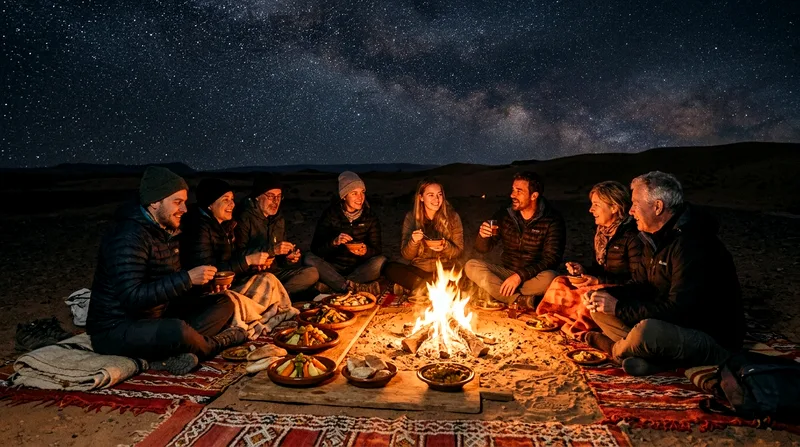
Standard packages serve a buffet-style barbecue dinner — grilled meats, rice, salads, flatbread, and basic desserts — eaten at shared long tables or floor seating under one large tent. It's filling, not memorable. Premium packages (sometimes marketed as "VIP" or "platinum" safaris) upgrade to a-la-carte or semi-private dining, better seating away from the main crowd, unlimited soft drinks, and sometimes a shisha lounge included rather than as a paid extra. If the camp's quality matters more to you than the dune bashing, look specifically for mentions of "small camp" or "exclusive camp" in the listing — large multi-operator camps near Lahbab can feel more like a food court than a desert evening.
Who Each Safari Type Suits Best
Not every evening safari suits every traveler, and the marketing photos rarely tell you which one fits your group. Matching the tour style to who's actually in your party saves disappointment — and money, if you're paying for inclusions you won't use.
Couples Seeking Romance and Sunset Views
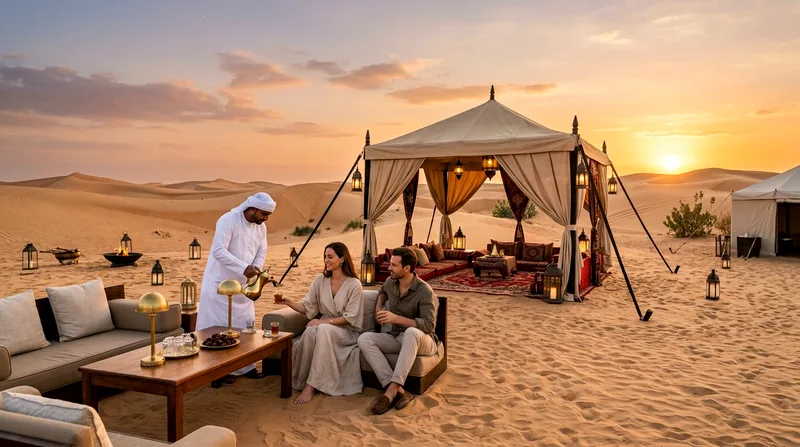
If you want the sunset photo without forty other tourists in frame, skip the big group convoys. Private or small-group tours that stop at a dedicated dune ridge for photos — rather than the main convoy viewpoint — are worth seeking out, and several operators now offer a "private dinner in the dunes" add-on with a table set apart from the main camp. It costs more, but for an anniversary or honeymoon it's a meaningfully different evening than sharing a buffet tent with tour groups from three different hotels.
Families Wanting Cultural Immersion
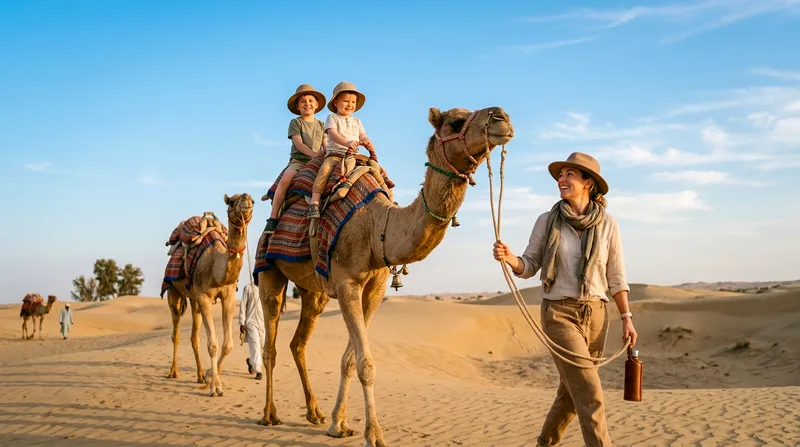
Families with children over about 8 do well with mid-range group tours that include camel rides, henna painting, and a tanoura (whirling) dance show — kids generally find the fire or tanoura performance the highlight of the night, more than the dune bashing itself. Be cautious with toddlers and younger kids: dune bashing involves sharp side-to-side jolting for 20-30 minutes, which causes real motion sickness in a meaningful share of young children and some adults. Several operators offer a "no dune bashing" or gentler drive option — ask for it specifically when booking if you have a child prone to car sickness, rather than assuming it's offered by default.
What to Look for When Booking a Desert Safari
The listing photos on Viator or TripAdvisor all look similar, so you need to read past them. Check reviews from the last three to six months specifically, since camp quality and crowd size can change seasonally — a camp that felt intimate in July might be overrun during the December-February peak season.
Inclusions, Group Size, and Cancellation Policies
Read the inclusions list line by line. "Dinner" could mean a full buffet or a boxed meal — recent reviews usually clarify which. Check whether camel rides, sandboarding, and quad biking are included or paid add-ons; quad bikes in particular are almost always an extra cost (commonly billed per 15-20 minute session) even on otherwise "all-inclusive" listings. Confirm the maximum vehicle occupancy — six passengers per Land Cruiser is standard, but some budget operators squeeze in more. Free cancellation up to 24 hours before departure is standard practice across most listings; avoid anything with a non-refundable policy unless the price is unusually low and you're certain of your plans.
Transportation and Pickup Logistics
Hotel pickup is included in almost every evening safari booking, but pickup windows are often broad — a 30-45 minute window rather than a fixed time, since the vehicle loops through several hotels. If you're staying somewhere remote (far-flung parts of the Marina or out near Expo City), you may be picked up earlier or dropped at a central meeting point instead. Confirm this before booking if you're short on time; the back-and-forth hotel loop can add 45-60 minutes to your total trip versus a direct departure.
Best Time to Book Your Dubai Sunset Desert Tour
Booking strategy matters almost as much as tour selection. Evening safaris run year-round, but conditions and crowd levels swing hard between seasons — and that changes both the experience and how far ahead you should book.
Seasonal Weather and Crowd Considerations
November through March is peak season — daytime temperatures drop to a comfortable 20-28°C, evenings can feel cool enough for a light jacket, and this is when Dubai's tourist numbers spike overall. Book at least 3-5 days ahead during this window, and earlier around New Year's Eve and the Christmas period when camps sell out. Between June and September, daytime heat often exceeds 40°C, and while the evening safari still runs (temperatures drop after sunset), some travelers find even the dune-bashing portion uncomfortably hot. The upside: lower prices, smaller crowds, and camps that feel considerably less packed. If you're visiting Dubai alongside a stop in Abu Dhabi or Sharjah, note that summer heat affects both similarly — it's a whole-region consideration, not a Dubai-specific dodge.
Key Activities and Inclusions on an Evening Safari
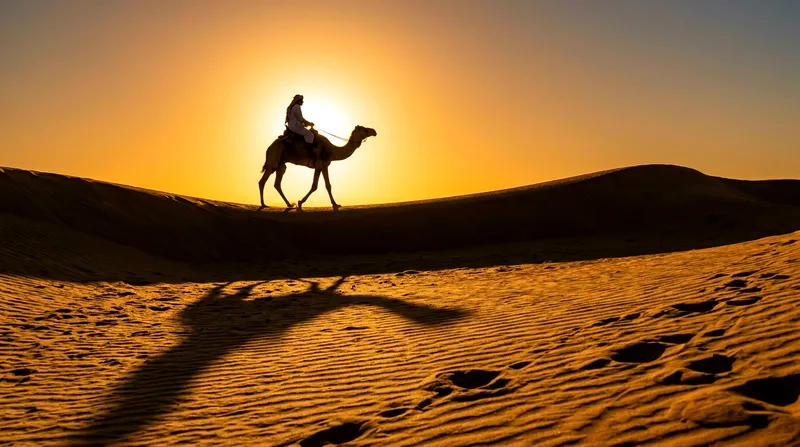
Most evening safaris bundle the same core activities, but how much time is allocated to each — and how good the execution is — varies a lot between a rushed group tour and a better-paced one.
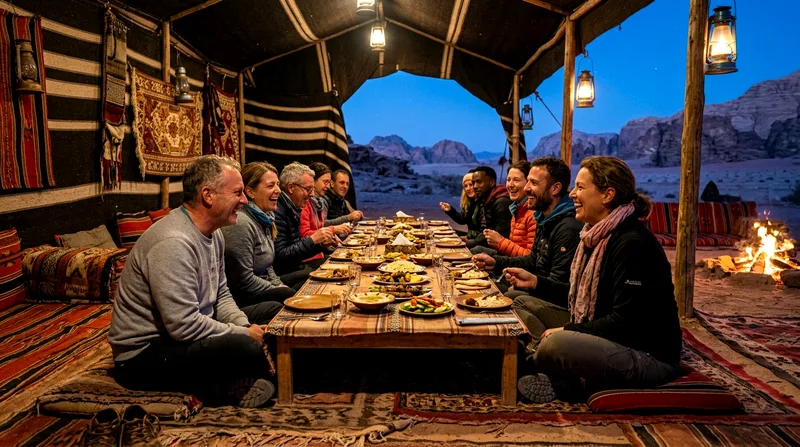
Dune Bashing and Camel Rides
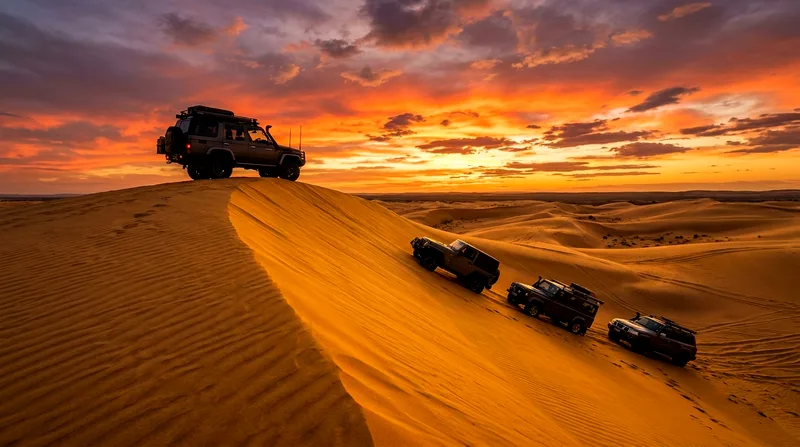
Dune bashing is a 20-30 minute off-road drive where an experienced driver takes a 4x4 up, down, and across steep dune faces in the Lahbab Desert, Dubai's primary safari zone about 40km southeast of the city. It's genuinely intense — closer to a rollercoaster than a scenic drive — and not suitable for anyone with back, neck, or heart conditions, or travelers who are pregnant. Camel rides are typically a short, slow-paced 5-10 minute loop near the camp, included free in most packages, and far gentler; they're more of a photo opportunity than an activity. Sandboarding is often available free of charge at a dune near the camp, though you'll need your own energy to climb back up each time.
Live Entertainment and Henna Tattoos
Standard entertainment includes a tanoura (whirling dervish) show and a belly dancing performance, usually 10-15 minutes each, performed on a small stage after dinner. Fire shows appear at some camps but not all — check reviews if this matters to you, since it's often the visual highlight for kids. Henna tattoo application is commonly included free for a basic design, with more elaborate patterns sometimes costing extra. None of this is unique to one operator; it's close to industry standard across Dubai's Bedouin camp-style evening safaris, so don't pay a premium expecting a dramatically different show — the premium buys you the dining and crowd experience, not better entertainment.
Frequently asked questions
What activities are included in an evening desert safari?
Most include dune bashing (20-30 minutes), a camel ride, sandboarding, henna painting, and a camp evening with a tanoura or belly dance show. Quad biking is usually a paid add-on rather than included. Always check the specific listing, since some budget tours cut dune bashing time or skip camel rides to lower the price.
Does the evening safari include dinner?
Yes, nearly all evening safaris include a barbecue-style buffet dinner at the Bedouin camp, typically grilled meats, rice, salads, and basic desserts. Premium packages upgrade this to a-la-carte dining or better seating. Vegetarian and sometimes halal-specific options are usually available if you request them when booking.
How much does an evening desert safari cost?
Prices vary by group size, dinner quality, and whether it's private or shared — standard group tours are the cheapest option, private and premium packages cost several times more per person. Rather than rely on a fixed figure, compare current prices and recent reviews on platforms like Viator or TripAdvisor before booking, since pricing shifts seasonally.
What is the best time to book a desert safari?
Book 3-5 days ahead if visiting during peak season (November-March), since camps fill up and weather is at its best. In summer (June-September), availability is easier to find last-minute and prices tend to be lower, though daytime heat is intense before sunset.
Are hotel pickups included in the tour price?
Almost always, yes — pickup and drop-off from your hotel is standard across nearly every evening safari in Dubai. Pickup windows are usually 30-45 minutes wide rather than an exact time, since the vehicle collects guests from several hotels before heading to the desert.