Learn how to save on Dubai tours with early-bird pricing, combo tickets, off-season timing, and discount passes. A practical budget guide.
Where Your Money Goes on Dubai Tours
Dubai doesn't hide the fact that its attractions are built to extract maximum revenue per visitor. A single trip up Burj Khalifa's 124th floor runs roughly 169-179 AED (around $46-49) as of 2024, and that's before you add the 148th floor "Sky" upgrade, which can nearly double the price. Multiply that by a desert safari, an Atlantis Aquaventure day, and a dhow cruise dinner, and a family of four can blow through $600-800 in attraction fees alone within a week.
The bigger issue is that most travelers book each attraction separately, on different platforms, at different times — and that's where the waste happens. Every standalone booking carries its own markup, its own peak-time surcharge, and often its own processing fee. If you're someone who likes to decide day-by-day, that flexibility is genuinely costing you money in Dubai specifically, more than it would in a cheaper destination like Sharjah or Fujairah where attraction pricing is flatter and less tiered.
Attraction Entry Fees Breakdown
Expect three pricing tiers almost everywhere: a base rate, a "prime time" or sunset/sunrise premium, and a fast-track or VIP add-on. Burj Khalifa, Dubai Frame, and Museum of the Future all use this structure. The gap between base and premium can be 30-60%. If sunset views matter less to you than the experience itself, book a midday or late-morning slot — the view is still good, and you avoid the markup that's purely about crowd timing rather than actual value.
Hidden Booking Platform Fees
Third-party platforms like Viator, GetYourGuide, and Klook list attraction tickets at prices that often include a service margin over the operator's direct rate — sometimes 5-15% higher. That's not always a bad trade, since these platforms offer free cancellation windows (commonly 24 hours before the activity) that direct bookings don't always match. But if an attraction has its own official booking site — Burj Khalifa and the Museum of the Future both do — compare that price first before defaulting to a marketplace app.
Early-Bird Booking and Advance Pricing Strategies
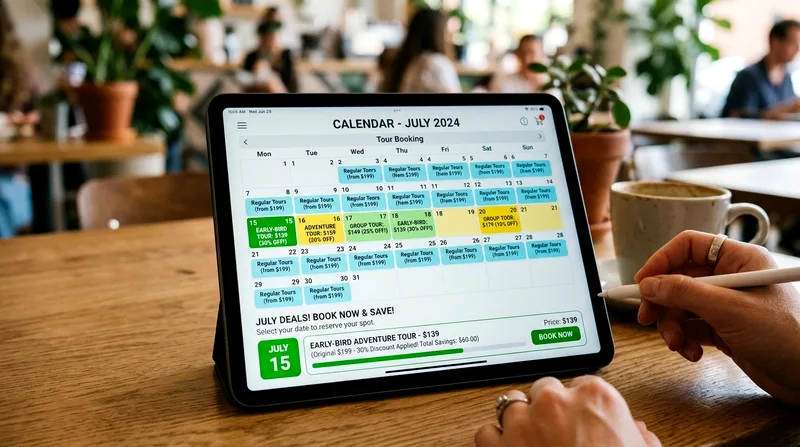
Advance booking in Dubai isn't just about securing a slot — it's a genuine pricing lever. Many major attractions release early-bird allocations at a discount, then raise prices in stages as the date approaches and inventory tightens. Burj Khalifa frequently sells next-day tickets at a premium specifically because last-minute buyers have no use. The same logic applies to desert safaris and dhow cruises during peak season (November through March), when tour operators know demand is inelastic and price accordingly.
I'd push back on the common advice to "book everything months out." For weather-dependent activities — hot air balloon rides, desert safaris — booking 2-3 weeks ahead is the sweet spot. Early enough to lock in better rates and avoid sold-out dates, but close enough that you can still shift plans around a forecast. For timed-entry attractions like Burj Khalifa or Atlantis Aquaventure, 4-6 weeks ahead usually captures the lowest available tier without the risk of a cancelled day going to waste.
Booking Timeline for Maximum Savings
A workable timeline: book flights and hotel first, then lock your multi-attraction pass (see below) 6-8 weeks out, then fill in weather-sensitive activities 2-3 weeks before travel, and leave one or two slots genuinely open for walk-up decisions once you're there. This avoids the trap of over-planning a trip to a city that rewards some spontaneity, especially around food tours and souk visits.
Direct Operator vs Platform Pricing
For big-ticket single attractions, check the operator's own site first — Dubai Frame, IMG Worlds of Adventure, and Museum of the Future all sell direct. For anything requiring a guide, transport, or multiple stops — desert safaris, city tours, boat cruises — Viator and GetYourGuide are usually more efficient because they aggregate operator reviews and let you compare several companies side by side before paying.
Combo Deals and Bundled Ticket Packages
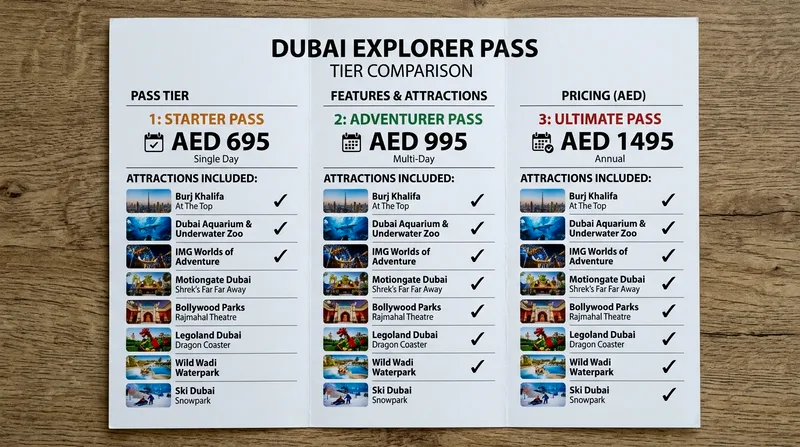
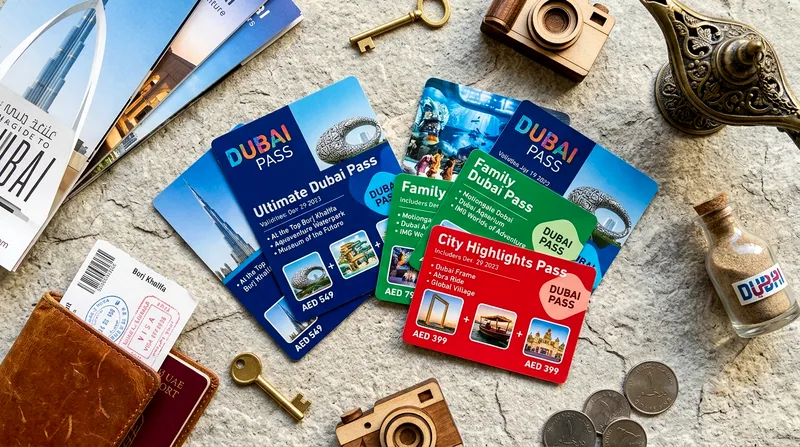
This is where the real savings live. Dubai has more multi-attraction pass options than almost any city in the Gulf region, and buying three or more attractions as a bundle routinely cuts 20-30% off buying them individually. The iVenture Card and the Dubai Unlimited Pass are the two most established products — both let you pick a tier (number of attractions or number of days) and include major names like Burj Khalifa, Aquaventure, and Dubai Aquarium.
The catch: passes only pay off if you'll genuinely use enough of what's included. Buying a 5-attraction pass and only visiting two defeats the purpose. Before buying, list the attractions you already want to see, then check whether a pass's inclusion list matches at least 70-80% of that list. If it doesn't, you're better off booking attractions individually or through a smaller combo like a Burj Khalifa + Dubai Aquarium bundle, which several platforms sell as a pair.
Multi-attraction passes save the most money when your planned attraction list closely matches the pass inclusions, not when bought generically.
Dubai discount passes and combo tickets compared for savings and flexibility
| Pass/Program | Best For | Typical Structure | Flexibility |
|---|---|---|---|
| iVenture Card | Travelers with a fixed attraction list | Pick 2-10 attractions | Medium — choose attractions upfront |
| Dubai Unlimited Pass | Fast-paced multi-day sightseeing | Unlimited entry within set days | High within validity window |
| The Entertainer | Couples, dining + activity mix | Buy-one-get-one vouchers | High, app-based daily use |
| Klook combo bundles | Pairing 2-3 specific attractions | Fixed bundle (e.g. Burj Khalifa + Aquarium) | Low, fixed combination |
| Direct operator tickets | Single flagship attraction visits | Pay per attraction | Highest, no bundling required |
Figures and inclusions as of 2024; always confirm current attraction lists and validity periods before buying, as pass contents change periodically.
Multi-Attraction Passes Comparison
The iVenture Card works on a "pick X attractions" model, which suits travelers with a defined list. The Dubai Unlimited Pass leans toward unlimited access within a set day range, better suited to travelers packing in multiple attractions daily rather than spreading a trip over two weeks. Compare both against simply booking The Entertainer app, which focuses more on buy-one-get-one dining and activity vouchers than flagship attraction entry — useful as a supplement, not a replacement.
Family and Group Bundle Options
Most passes offer child pricing around 20-30% below adult rates, and some waive fees entirely for children under a certain height or age at specific attractions like Aquaventure. Groups of six or more should also ask operators directly about group rates on desert safaris and dhow cruises — this isn't always advertised online but is commonly available, especially through local operators rather than international platforms.
Off-Season Timing and Weekday Advantages
Dubai's tourism calendar runs opposite to Europe's summer holiday instinct. Peak season is November through March, when temperatures are comfortable and European travellers flood in to escape winter — this is also when prices peak across hotels, desert safaris, and dhow cruises. June through September is brutally hot (often 40°C+), but it's also when attraction and tour prices soften noticeably, and indoor attractions like Dubai Mall's aquarium or Museum of the Future feel like relief rather than compromise.
The genuine sweet spot is April-May or October, when temperatures are still manageable for outdoor activities but demand — and pricing — hasn't hit its peak. If you're flexible on travel dates, shifting a trip by even three or four weeks outside the December-February crunch can meaningfully lower both flight and tour costs.
Seasonal Pricing Patterns
Outdoor-dependent tours — desert safaris, hot air balloons, dhow cruises — show the widest seasonal swings, since operators compete harder for bookings in low season. Indoor attractions like Burj Khalifa and Museum of the Future vary less by season but still show some easing in summer months when fewer tourists are willing to brave the heat.
Weekday vs Weekend Rate Differences
Friday and Saturday form the UAE weekend, and that's when locals and regional tourists (from Saudi Arabia, Oman, and elsewhere in the Gulf) fill up desert safaris and beach clubs. Booking tours for Sunday through Wednesday generally means smaller groups, more availability, and in some cases lower posted prices — particularly for dhow cruises and brunch-style experiences that cater heavily to weekend crowds.
Cashback Portals and Discount Pass Programs
Beyond bundled passes, there are smaller but real savings available through cashback shopping portals and loyalty programs tied to the booking platforms themselves. Klook and Viator both run periodic app-only promotions and loyalty point systems that effectively lower your net cost over repeat bookings — not dramatic, but worth stacking if you're booking five or six activities across a trip. Groupon also lists Dubai activity deals regularly, though quality varies — vet the operator's reviews independently rather than trusting the deal page alone.
Voucher Books and Loyalty Programs
The Entertainer app, originally a restaurant voucher book, has expanded into attractions and activities with buy-one-get-one offers in Dubai, Abu Dhabi, and Ras Al Khaimah. It works best for couples or groups of two, since the discount structure assumes a paying companion. Solo travelers generally won't see the same value from it.
Credit Card Rewards Strategies
If your credit card offers travel portal booking bonuses or points multipliers on travel categories, booking tours through that card's travel portal (where available) can add a meaningful rebate on top of any pass savings. This matters more for higher-ticket items — a full-day Atlantis package or multi-day combo pass — where even a modest points return adds up. Just confirm foreign transaction fees don't cancel out the benefit, since UAE purchases count as international for most non-UAE-issued cards.
What's Not Worth Skimping On
Saving money on Dubai tours shouldn't mean cutting corners that affect safety or basic trip logistics. Two areas I'd actively discourage skimping on: unlicensed desert safari operators, and skipping transport planning to save a few dirhams.
Safety and Operator Reputation
Desert dune bashing accidents happen, and they happen more often with unlicensed or uninsured operators offering suspiciously cheap safaris advertised on the street or through unofficial social media pages. Stick to operators listed on established platforms like Viator, GetYourGuide, or Klook, which vet licensing before listing. A $15 discount isn't worth the risk of an uninsured vehicle on unstable dune terrain — this is genuinely one place where the cheapest option is a false economy.
Transportation and Convenience Value
The Dubai Metro is cheap and efficient — a single journey typically costs 3-8.5 AED depending on zones — and it genuinely covers major areas like Downtown, Marina, and the airport. But for desert safaris, dhow cruises departing from Dubai Marina, or anything with a hotel pickup included, don't decline the included transport to save money by taking a taxi separately. Group tours often time departures tightly, and missing a pickup point can mean losing the booking entirely with no refund.
Frequently asked questions
How far in advance should you book Dubai tours to save money?
For timed-entry attractions like Burj Khalifa or Museum of the Future, book 4-6 weeks ahead to catch early pricing tiers before they rise closer to the date. For weather-dependent activities like desert safaris or hot air balloon rides, 2-3 weeks ahead balances savings with enough flexibility to adjust around forecasts.
What are the best discount passes for Dubai attractions?
The iVenture Card suits travelers with a defined shortlist of attractions, since you pick a set number upfront. The Dubai Unlimited Pass works better for fast-paced multi-day visits where you'll hit several attractions daily. Match the pass's inclusion list against your own plan before buying — neither saves money if you only use half of what's included.
Are Dubai tours cheaper on weekdays than weekends?
Generally yes. Friday and Saturday are the UAE weekend, when regional tourists and locals fill desert safaris, brunches, and dhow cruises, pushing demand and sometimes prices up. Booking Sunday through Wednesday typically means better availability and occasionally lower posted rates, especially for evening cruise and safari packages.
Which cashback portals offer the best Dubai tour discounts?
Klook and Viator both run loyalty points and occasional app-exclusive pricing that add up over multiple bookings. Groupon lists activity deals too, but vet the operator's independent reviews first, since deal-page listings don't always reflect licensing or service quality. None of these replace the core savings from bundling and timing — they're a smaller layer on top.
What hidden fees should you watch for when booking tours?
Third-party platforms sometimes mark up prices 5-15% over an operator's direct rate in exchange for easier cancellation policies. Watch too for "prime time" surcharges on sunset or sunrise slots at attractions like Burj Khalifa, and optional fast-track or VIP add-ons that get pre-selected by default during checkout — deselect them if you don't need the upgrade.