Find the best time to visit Dubai for tours — month-by-month weather, crowd levels, and booking tips for desert safaris, boat trips, and city tours.
Peak Season: November to March
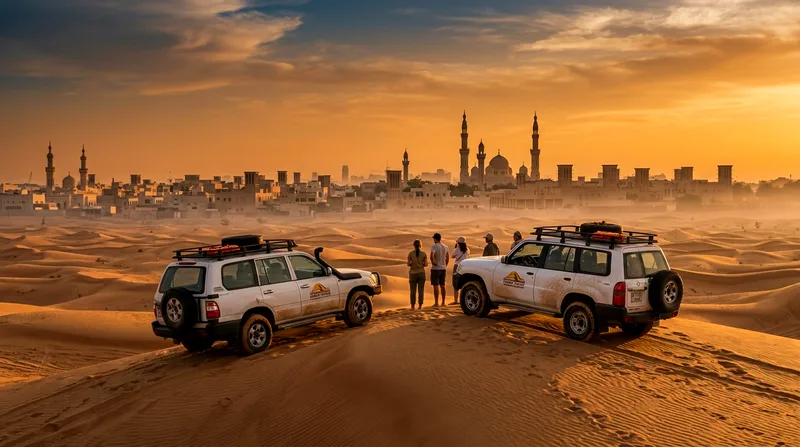
If you ask any Dubai-based tour operator when the best time to visit Dubai for tours is, most will say November through March without hesitation. Daytime temperatures sit between 24°C and 30°C, humidity drops to tolerable levels, and rainfall — rare in Dubai generally — is slightly more likely but still minor, usually a handful of short showers across the whole stretch. This is the window when a desert safari at 4pm doesn't feel like a survival exercise and a walk along Dubai Marina after dinner is actually pleasant rather than sweat-inducing.
The trade-off is obvious: everyone else figured this out too. December and January, especially the two weeks around Christmas and New Year, see hotel rates spike and popular tours — Burj Khalifa sunset slots, dhow cruises, Palm Jumeirah boat tours — selling out days or weeks ahead. If you're traveling with family over the winter holidays, flexibility disappears fast. I'd avoid trying to book a same-day desert safari during the last week of December; it's one of the few times in Dubai where walk-up availability genuinely runs out.
Compare this to Abu Dhabi or Doha, both of which share Dubai's climate pattern almost exactly, so if Dubai's winter rates feel inflated, shifting part of your itinerary to Abu Dhabi's Corniche or Qasr Al Watan doesn't buy you better weather — just marginally lower prices. The climate logic is regional, not city-specific.
November through March delivers the most comfortable weather for Dubai tours, while April, October, and summer months trade comfort for lower prices and lighter crowds.
Best time to visit Dubai for tours: seasonal comparison by weather, crowds, and cost
| Season | Daytime Temp (°C) | Crowd Level | Price Level | Best For |
|---|---|---|---|---|
| Nov-Mar (Peak) | 24-30 | High | High | Desert safaris, boat tours, full-day sightseeing |
| April | 32-36 | Moderate | Moderate | Early desert trips, water sports |
| October | 32-35 | Moderate | Moderate | Boat tours, evening city tours |
| May-Sep (Low) | 38-45 | Low | Low | Indoor attractions, evening/night tours |
Figures reflect typical Dubai climate patterns as of 2024; actual conditions vary by year and tour operators may adjust schedules seasonally.
Weather conditions and comfort levels
November averages around 28°C by day, dropping to the low teens at night in January — pack a light jacket if you're doing an evening desert camp. Humidity, which makes summer unbearable, stays manageable at 50-60% rather than the 80%+ you get in August. This is the only period where you can comfortably do a full day outdoors: morning dune bashing, afternoon at a beach club, evening at the Dubai Fountain, without needing to retreat indoors between activities.
Crowd levels and booking demand
Expect 20-30% higher prices on flights and hotels compared to shoulder months, and tour slots for anything time-limited — sunset dhow cruises, specific Burj Khalifa floor access — booking out 1-2 weeks ahead during December and February half-term breaks. If your dates are fixed around these windows, book headline activities as soon as your flights are confirmed rather than waiting until arrival.
Shoulder Season: April and October
This is the pairing I'd point most travelers toward, and it's underused. April and October sit just outside the peak window but avoid the worst of summer's heat, and the difference in crowd levels is noticeable the moment you try to book a popular tour slot without a two-week lead time. Daytime highs run 32-35°C in April and similarly in October — warm, yes, but still workable for morning desert safaris or early boat trips on the Persian Gulf before the heat peaks around 2-3pm.

Hotel rates in these months typically run 15-25% below December-February peak pricing, and tour operators have more flexibility to accommodate last-minute changes or add-ons. Families with school-age kids are mostly locked into summer or winter breaks anyway, which is exactly why April and October skew toward couples, solo travelers, and retirees — groups with more scheduling freedom. If that's you, this is where your money goes furthest.
Fujairah and Ras Al Khaimah, both within 90 minutes to two hours of Dubai, follow the same shoulder-season logic — slightly cooler mornings on the east coast make April particularly good for snorkeling trips out of Fujairah before the Gulf waters warm up further into summer.
Temperature and activity suitability
Morning and early-evening activities work best. A 7am desert safari departure or a sunset Palm Jumeirah boat cruise avoids the midday heat entirely. Avoid scheduling anything strenuous between noon and 3pm in these months — that's when 34°C with Gulf humidity starts to feel draining, particularly for older travelers or young children.
Fewer crowds and better rates
Walk-up or 2-3 day advance booking is usually enough for most city tours and boat trips in April and October — a contrast to the 1-2 week lead times winter demands. This flexibility matters if your itinerary is still forming once you land.
Low Season: May to September
Summer in Dubai is genuinely intense, and anyone telling you otherwise hasn't stood outside at 1pm in July. Temperatures regularly hit 40-45°C, humidity near the coast climbs above 80%, and the combination makes extended outdoor time actively risky, not just uncomfortable. This is also, paradoxically, when hotel and tour prices drop the most — often 30-40% below winter peak rates — which is why you'll see a certain kind of budget-focused or heat-tolerant traveler deliberately choosing July or August.
I wouldn't recommend summer to families with young kids or to senior travelers who are heat-sensitive. The risk isn't just discomfort; it's genuine heat exhaustion if you misjudge how long you can be outside. That said, Dubai has built its entire tourism infrastructure around this problem — indoor malls with ski slopes, aquariums, and the world's largest indoor theme parks exist precisely because the city needed somewhere for visitors to go between June and September.
Heat intensity and tour limitations
Desert safaris still run in summer, but they shift to early morning or after sunset — a midday dune-bashing trip essentially doesn't exist from June to August for safety reasons. Water sports on the Persian Gulf are more viable since the water itself cools you down, but even then, operators often restrict midday departures. If dune bashing is a priority, this isn't your season; come back in November.
Indoor and evening activity options
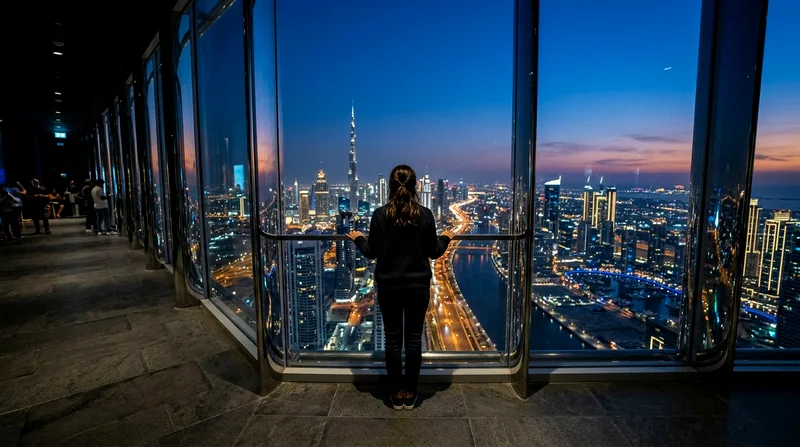
Evening dhow cruises, aquarium visits, indoor skiing at Ski Dubai, and late-night souk tours become the default itinerary structure. Burj Khalifa's evening observation deck slots are actually more pleasant in summer than winter afternoons, since the sunset timing works the same year-round but the temperature drop after dark offers real relief.

Month-by-Month Tour Availability
Dubai tour operators run most activities year-round, but the version of the activity changes by season. Desert safaris exist in August and January alike — the difference is departure time and how long you're actually outside the vehicle. Understanding this month-by-month shift matters more than picking a single "best" month, because it determines which specific tour format you should book.
Desert safari and dune activity windows
November to March offers full-day flexibility — morning or afternoon dune bashing, camel riding, and overnight desert camps with comfortable nighttime temperatures around 12-18°C. April through October pushes departures to early morning (6-7am) or late afternoon (4pm onward) to dodge peak heat. By July, expect operators to cap outdoor dune time to 30-45 minutes per session, with the rest of the experience moved into air-conditioned camps.
Water sports and beach tour seasons
Snorkeling and boat tours around Palm Jumeirah and the Persian Gulf run year-round, but water temperature and comfort peak from October to May, when Gulf waters sit around 24-28°C. By August, sea temperatures can exceed 32°C — swimmable, but noticeably less refreshing. Jet ski and parasailing operators often extend hours in summer evenings to compensate for unbearable midday conditions.
How to Book Tours at the Right Time
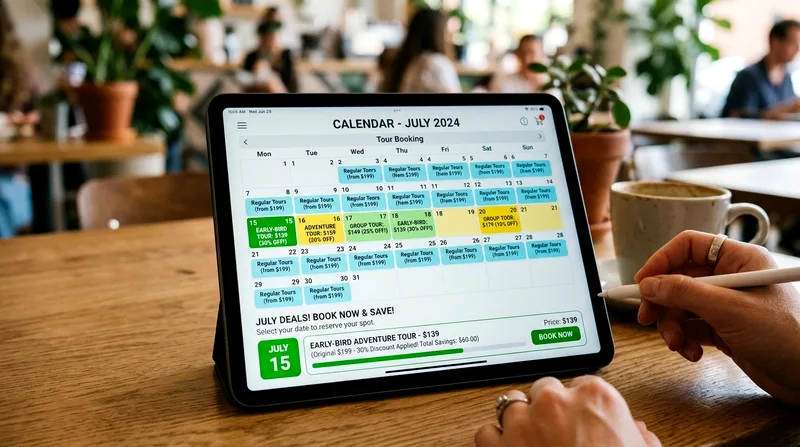
When to book Dubai activities depends heavily on which season you're targeting. For December through February, book your major tours — desert safari, Burj Khalifa, any dhow cruise — as soon as your flights are confirmed, ideally 3-4 weeks out. For shoulder months and summer, you have far more room to improvise, and overbooking in advance can actually box you into a fixed schedule you don't need.
Advance booking advantages
Booking 2-4 weeks ahead during peak season typically secures better time slots — sunset rather than midday Burj Khalifa access, for instance — and protects against sellouts around major holidays. It also tends to lock in lower prices before demand-based pricing kicks in closer to the date, a pattern common across most Dubai tour platforms.
Last-minute availability strategies
In shoulder and low season, booking 24-48 hours ahead is usually fine for desert safaris, city tours, and most boat trips — operators run smaller groups and have spare capacity. The exception is anything weather-dependent, like dhow cruises during rare rain spells, where last-minute cancellations can cluster bookings onto the next available slot. Compare current tour prices and availability before you book, since rates shift with demand even within the same week.
Frequently asked questions
What is the best month to visit Dubai for tours?
December through February offers the most comfortable conditions for full-day outdoor tours, with temperatures around 24-28°C and low humidity. If you want similar comfort with smaller crowds and lower prices, aim for November or March instead — you lose a few degrees of comfort but gain easier booking and better rates.
Is Dubai too hot for outdoor tours in summer?
Midday outdoor activity from June to August is genuinely risky, with temperatures hitting 40-45°C and humidity above 80%. Tours still run, but they shift to early morning or evening, and operators cap outdoor exposure time — dune bashing sessions, for example, often shrink to 30-45 minutes rather than a full afternoon.
When should I book Dubai tours in advance?
For travel between December and February, book major tours 3-4 weeks ahead, especially around the Christmas and New Year period when slots for Burj Khalifa, dhow cruises, and desert safaris sell out. For April, October, or summer travel, 24-72 hours' notice is usually sufficient.
Are tours available year-round in Dubai?
Yes — desert safaris, boat tours, and city sightseeing run every month, but the format changes. Summer shifts departure times to avoid peak heat, while winter allows flexible all-day scheduling. Expect shorter outdoor segments and more indoor/evening options from June through September.
What is the cheapest season to book Dubai activities?
May through September is consistently the cheapest window, with hotel and tour prices often 30-40% below winter peak rates. The trade-off is extreme heat limiting outdoor time, so budget travelers should prioritize early-morning or evening tour slots rather than midday activities.