Understand Dubai car hire insurance: CDW, excess, deposit holds and third-party cover. Learn how to reduce your excess and avoid surprise charges at pickup.
Dubai Car Hire Insurance & Excess Explained
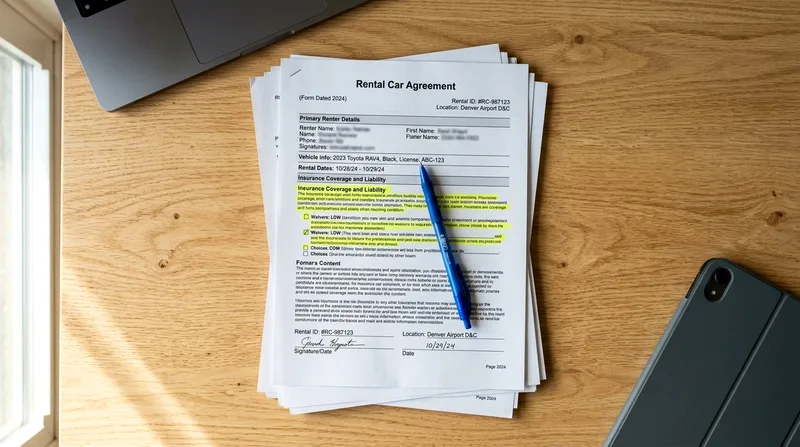
Insurance is the part of car hire that catches most visitors off guard. You book a car for what looks like a reasonable daily rate, then arrive at the counter in Dubai International Airport (DXB) and get quoted an excess, a deposit hold, and an optional "zero excess" upgrade that costs almost as much as the car itself. None of this is unique to Dubai, but the numbers here — and the habit some counters have of pushing upgrades hard — mean it pays to understand the system before you land.
This guide explains what's actually included in a standard Dubai rental, what isn't, and how to protect yourself without overpaying for cover you don't need. The short version: basic Collision Damage Waiver is nearly always included, but the excess attached to that waiver can run from around AED 1,500 on a small hatchback to AED 5,000 or more on an SUV or luxury model. Third-party excess reduction policies, bought separately before you travel, are usually the cheapest way to close that gap.
What Insurance Is Included in a Standard Dubai Rental?
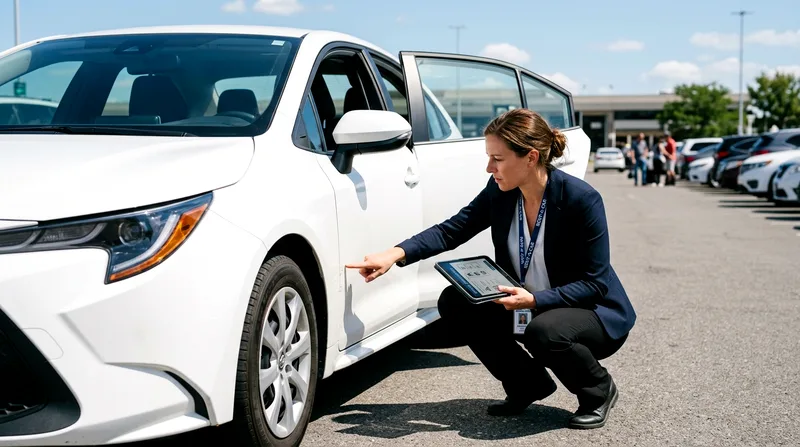
Every licensed rental agency in Dubai is required to provide third-party liability cover as a minimum — this is a legal requirement tied to vehicle registration, not an optional extra. On top of that, most standard rental agreements include Collision Damage Waiver (CDW), which limits your financial responsibility for damage to the vehicle itself in the event of an accident.
The catch is that CDW doesn't mean zero liability. It means your liability is capped at the excess amount — sometimes called the deductible. If a wing mirror gets clipped in a parking garage or someone reverses into your bumper near Dubai Marina, you're on the hook for repair costs up to that capped figure, not the full bill. This is where a lot of renters assume "insurance included" means "fully covered," and it doesn't.
A few things are routinely excluded even from CDW, and this is the part agencies don't always volunteer. Tyre damage, windscreen cracks, undercarriage damage from off-road or sand driving, and damage caused by driving on unpaved tracks are commonly carved out of standard cover. If you're planning a desert safari in a hired 4x4 rather than a self-drive dune trip, check this specifically — standard CDW on a city rental usually won't extend to off-road use at all.
Third-Party Liability vs CDW — What's the Difference?
Third-party liability covers damage or injury you cause to other people, their vehicles, or property — it doesn't touch your own rental car at all. CDW is the layer that protects the car you're driving. You need both, and reputable agencies in Dubai include both by default, but it's worth confirming in writing because budget operators occasionally offer a stripped-back rate with only the legal minimum and CDW as a paid add-on. Ask directly: "Is CDW included in this rate, or is it extra?" Get the answer in the written quote, not just verbally at the desk.
Understanding Excess, Security Deposits and Credit Card Holds
The excess is the amount you'd pay out of pocket if the car is damaged, even with CDW active. For a small economy car, that figure often sits around AED 1,500–2,000. Move up to a mid-size SUV — popular with families heading to Hatta or the Hajar Mountains — and it climbs toward AED 3,000–4,000. Luxury and premium SUV rentals, common among visitors wanting to self-drive to Abu Dhabi or Ras Al Khaimah, can carry an excess of AED 5,000 or higher.
Separate from excess is the security deposit, which is a hold placed on your credit card at pickup — not a charge, but a reserved amount the agency can draw against if there's damage, unpaid tolls, or traffic fines after you return the car. Deposit holds commonly range from around AED 1,500 for small cars to AED 5,000+ for SUVs and luxury models, and they're usually released within 7–30 days after return, depending on the bank and the agency's own processing speed. European travellers used to debit card holds at home should note that most Dubai agencies require an actual credit card — a debit card is often refused outright.
This is also where the no-deposit rental trend matters. A handful of local operators — names like Bling and eZhire have appeared in this space — advertise no-deposit or reduced-deposit rentals, often through app-based booking. It's a real and growing part of the market, but treat it as a trade-off rather than a free upgrade: read what "no deposit" actually replaces, since it sometimes means a higher baseline excess or a mandatory insurance package baked into the price. Compare the total cost against a traditional deposit-based rental before assuming it's cheaper.
Excess and deposit amounts in Dubai car rentals rise sharply from economy cars to SUVs and luxury models.
Dubai car hire insurance excess and deposit ranges by vehicle category
| Vehicle category | Typical excess (AED) | Typical deposit hold (AED) | Best for |
|---|---|---|---|
| Economy/compact | 1,500–2,000 | 1,500–2,500 | Solo travelers, city driving |
| Mid-size sedan | 2,000–3,000 | 2,500–3,500 | Couples, airport transfers |
| SUV/4x4 | 3,000–4,000 | 3,500–5,000 | Families, desert and mountain trips |
| Luxury/premium | 4,000–5,000+ | 5,000–10,000+ | Special occasions, status rentals |
Figures as of 2025, approximate and vary by agency; always confirm exact excess and deposit at time of booking.
Salik Tolls and Fines After You Return the Car
Dubai's road toll system, Salik, charges automatically as you pass toll gates — there's no barrier or ticket, just an overhead sensor. Rental agencies settle these charges against your deposit or card on file, often adding a small administration fee per toll or per fine. If you're driving between Dubai and Sharjah or Abu Dhabi regularly, tolls add up faster than most visitors expect. Ask at pickup how the agency bills tolls and traffic fines, and over what timeframe — some charge weeks after you've flown home, which is disorienting if you've forgotten the rental entirely.
Should You Buy the Rental Desk's Extra Cover?
Counter staff will almost always offer a "Super CDW" or zero-excess upgrade at the point of pickup, priced per day. It's convenient, it's immediate, and it's usually the most expensive way to reduce your excess. Daily rates for this upgrade frequently cost more over a one or two-week rental than an annual standalone excess policy bought in advance.
I wouldn't recommend buying it reflexively — but I also wouldn't dismiss it outright. If you're renting for three or four days, the convenience of a flat reduction to zero or near-zero excess, handled on the spot with no claims process, has real value, especially for nervous first-time drivers navigating Sheikh Zayed Road's traffic density. The trade-off is cost versus hassle: counter cover is pay-now, no-paperwork; third-party cover is cheaper but means paying upfront yourself if damage occurs, then claiming the money back later.
Watch out for upselling tactics at the desk — vague language like "you really want full protection with Dubai traffic" without ever stating the actual excess figure you're being covered against. Always ask the agency to state, in writing, exactly what excess amount remains after their upgrade. "Zero excess" sometimes still excludes tyres, glass, and undercarriage damage, so the upgrade isn't as absolute as it sounds.
Third-Party Excess Reduction Policies: Are They Worth It?
Standalone excess reduction policies, bought through insurance comparison sites before you travel, work differently: you pay the rental agency's excess if damage happens, then claim that cost back from the third-party insurer afterward. Annual multi-trip versions of these policies often cost less than a single week of counter-bought "Super CDW," which makes them genuinely good value for anyone renting more than once a year, or renting for longer stretches — say, a two-week trip covering Dubai, a day in Al Ain, and a loop up to Fujairah's east coast.
The downside is the claims process. You need to pay the agency directly if something happens, keep every document — the damage report, photos, the repair invoice — and submit a claim yourself. For travelers who find that stressful or who don't want to front potentially AED 4,000+ on a credit card while a claim is processed, this isn't the right fit. It suits organized travelers more than it suits people who want zero admin on holiday.
European travellers should also check whether their household or travel insurance already extends to rental excess abroad — some UK and EU policies include a car hire excess benefit as a minor add-on, which can make a separate purchase redundant. Read the policy wording carefully: "car hire excess insurance" is a specific clause, not something automatically bundled into general travel insurance.
Checklist Before You Sign the Rental Agreement
Before signing anything at the counter, confirm four things in writing: the exact excess amount for your vehicle category, what's excluded from CDW (tyres, glass, undercarriage are the usual suspects), the deposit hold amount and expected release timeframe, and how tolls and fines are billed after return. Agencies vary enough — even within Dubai, let alone compared to Abu Dhabi or Sharjah operators — that assuming terms are standard across the market is a mistake.
Photograph the car from all angles before driving off, including wheels, roof, and any existing scratches, with timestamps visible if your phone supports it. Do this even if the agency's own inspection sheet looks thorough — a rushed walk-around at a busy DXB pickup desk is exactly when minor damage gets missed and later gets blamed on you. Keep your rental agreement, the inspection sheet, and your insurance policy documents (whether desk-bought or third-party) accessible digitally throughout the trip, not just in a folder in your suitcase.
Frequently asked questions
What is the typical excess on a Dubai car hire?
It depends heavily on vehicle category. Economy cars typically carry an excess of AED 1,500–2,000, mid-size sedans around AED 2,000–3,000, SUVs AED 3,000–4,000, and luxury or premium vehicles AED 4,000–5,000 or more. Always get the exact figure in writing at booking or pickup, since these are agency-set and not fixed by regulation.
Does my UK or EU travel insurance cover Dubai car rental excess?
Sometimes, but not automatically. Some UK and EU travel insurance policies include a car hire excess benefit as a specific add-on clause — check your policy wording for that exact phrase rather than assuming general cover applies. If it's not explicitly listed, you'll need a standalone excess reduction policy or the rental desk's upgrade.
Can I rent a car in Dubai without a credit card?
Most mainstream agencies require a credit card for the security deposit hold and won't accept a debit card. A small but growing number of app-based operators advertise no-deposit or alternative verification options, but availability and terms vary, so confirm directly with the provider before relying on this for your trip.
What happens if I damage a rental car in Dubai?
You'll typically need to file a police report for any accident, even minor ones — this is standard practice and often required by the rental agreement itself. The agency then assesses damage against your excess and may charge your deposit or card for repairs up to that capped amount, excluding items like tyres or glass if those were carved out of your CDW.