Compare Burj Khalifa ticket levels (124, 125, 148, 152-154), pricing, sunset times, and fast-track options. Book online and avoid overpaying.
What Is Included in Burj Khalifa Tickets
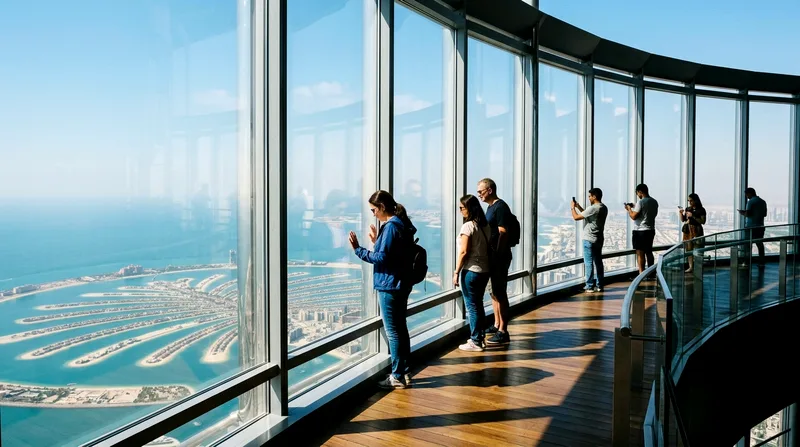
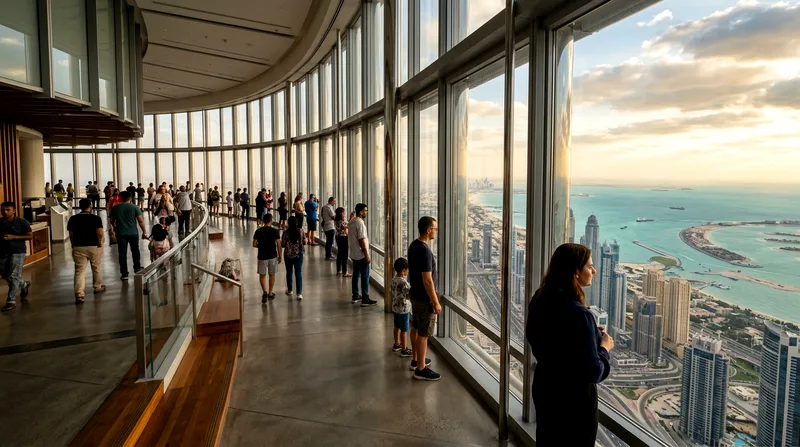
Burj Khalifa tickets grant timed entry to one or more observation decks inside the world's tallest building, currently standing at 828 metres. Every ticket tier includes the high-speed elevator ride — around 60 seconds to reach the upper floors — plus access to the deck itself, some interactive displays about the tower's construction, and a telescope or two for zooming in on the Palm Jumeirah or the Arabian Gulf coastline. What changes between tiers is which floor you reach, how much space you get, and whether you're sharing that space with a few hundred other people or a few dozen.
I'd treat the base ticket as the one worth comparing everything else against. It gets you to Level 124 and 125, which is plenty high to feel the scale of the building and see Dubai Mall and the fountain below as toy-sized. Anyone telling you the view fundamentally transforms above that floor is overselling it slightly — it's a few hundred metres higher, and on a hazy day (common between April and September) you may not notice the difference at all.
Standard observation deck access
The standard ticket is a timed-entry pass: you choose a specific arrival window when booking, not a vague "any time today" slip. Arrive within that window — most operators build in a grace period of around 15-30 minutes, but don't push it, since latecomers can be turned away during busy periods. You'll pass through a security check similar to an airport, then queue for the elevator. On a normal weekday this whole process, from entrance to deck, takes 20-40 minutes; on a Friday evening or during a public holiday it can stretch past an hour even with a reserved slot.
What's excluded and dress code rules
Standard tickets exclude food and drink service — if you want a sit-down experience, that's what the separate Lounge access on Level 152-154 or At.mosphere restaurant are for, and they're booked independently. There's no dress code enforcement beyond Dubai's general modesty norms (shoulders and knees covered is a safe rule), but do skip flip-flops if you're also planning to walk around Dubai Mall afterward, since the mall's marble floors and the tower's glass deck both get slippery when crowded. Strollers are allowed but can be awkward near the glass barriers when the deck is full, which matters if you're visiting with toddlers.
Level 124, 125, and 148 Compared
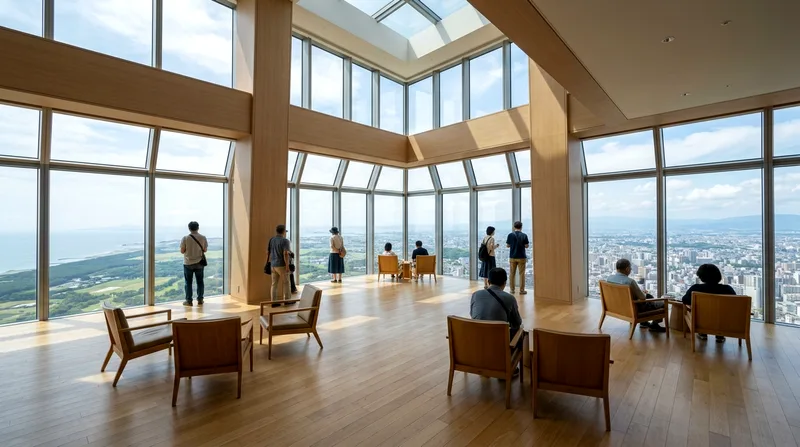
This is the decision that actually matters for your wallet. The jump from the standard deck to Level 148, known as the Sky Level, roughly doubles the ticket price in most published pricing structures — and you need to decide if that's buying you something you'll genuinely use, or just a number to mention later.
Level 124/125 offers the best value for most visitors, while Level 148 and the Lounge trade a modest view upgrade for significantly less crowding.
Burj Khalifa ticket levels compared: floors, views, and crowd levels
| Ticket Level | Floors | Indoor/Outdoor | Typical Crowd | Best For |
|---|---|---|---|---|
| Standard | 124 & 125 | Both | High, especially sunset | Budget-conscious, first-timers |
| Sky Level | 148 | Indoor, viewing windows | Low, capped capacity | Photographers, special occasions |
| The Lounge | 152-154 | Indoor, seated service | Very low, limited slots | Couples, celebrations |
Figures as of 2025; capacity and exact floor access can vary by season and are set by Emaar.
Level 124 and 125 differences
Level 124 and Level 125 are really one combined deck connected by an internal staircase, so you're not choosing between them — a standard ticket includes both. Level 124 is indoor-outdoor, with a wraparound terrace where you can feel the wind and hear the city rather than view it through glass. Level 125 is a smaller, fully indoor lounge-style space one floor up, generally quieter because most visitors don't realize it's included and skip it. If you want fewer people in your photos, head there first.
Level 148 Sky Level features
Level 148 sits roughly 190 metres above Level 124 and is marketed as the highest observation deck in the world. It includes a guided reception, a smaller and noticeably less crowded space (capacity is capped more tightly than the lower decks), and a refreshment service included in the ticket price. The actual visual difference in the skyline from this height, compared to Level 124, is modest on a clear day and barely noticeable on a hazy one. What you're really paying for is exclusivity and a shorter, separate elevator queue — not a dramatically different photo.
Pricing and Ticket Options Breakdown
As of 2024-2025, published standard adult pricing for Level 124/125 has generally sat in the range of roughly 169-179 AED (about €42-45) for non-prime hours, with Level 148 combo tickets running noticeably higher, often close to double that. The Lounge on Level 152-154, which includes a drink and canapé-style service with a dedicated host, is priced separately again and sold in limited daily slots. These figures shift with season and promotions, so treat them as a planning range, not a quote — always confirm the current price on the official Burj Khalifa website or your booking platform before paying.
Standard vs prime hours pricing
"Prime hours" cover sunset and the hour or two after — typically the most requested slots of the day — and they're priced higher than mid-morning or mid-afternoon tickets. If you're traveling with children and need predictable nap or meal timing, booking a standard-hour slot around 11am-2pm saves money and avoids the sunset crowd entirely. Prime-hour tickets for Level 148 specifically can run considerably more than a standard-hour Level 124/125 ticket, so stacking both premiums (higher level plus prime time) is where costs escalate fastest.
Sunset and combo deal options
Sunset times in Dubai shift across the year — around 6:30pm in December, closer to 7:30pm in June — so the "best" slot to book changes seasonally; check the actual sunset time for your travel dates before locking in a slot. Combo packages bundling Burj Khalifa with Dubai Aquarium, the Dubai Fountain show, or an At the Top SKY experience are sold through platforms like GetYourGuide, Tiqets, and Trip.com, and can shave a modest amount off booking each attraction separately. Compare the bundle price against buying each ticket individually before assuming it's cheaper — sometimes it isn't.
How to Book Online and Skip Lines
Walk-up tickets exist but are a bad idea for anyone with a tight schedule — same-day availability for popular time slots, especially sunset, often sells out days in advance during peak season (November to March). Book online, pick your date and time, and bring a printed or mobile voucher.
Official booking platforms and channels
The official Burj Khalifa website (run by Emaar) is the primary channel and generally the most reliable for accurate pricing and availability. Third-party platforms including GetYourGuide, Tiqets, Trip.com, and operators listed on TripAdvisor also sell the same inventory, sometimes bundled with transport, hotel pickup, or combo attractions through services like A2Z Travel Experience. These aren't scams, but double-check you're buying the tier you think you're buying — "Burj Khalifa experience" listings vary a lot in what floor they actually include, and some resellers mark up standard tickets without adding real value.
Fast-track and advance booking benefits
Fast-track or "skip the line" tickets route you through a separate, shorter security and elevator queue — worth it if you're visiting during a holiday week or school break, less necessary on a quiet Tuesday morning in August. Advance booking (ideally 3-7 days ahead for standard hours, 2-3 weeks ahead for sunset slots in peak winter season) matters more than fast-track add-ons for most travelers, since it guarantees your preferred time rather than just speeding up the day you arrive. If your dates are flexible, booking a non-prime weekday slot is the single best way to cut both cost and wait time.
Is It Worth It by Visitor Type
There's no single right ticket — it depends on what you're actually trying to get out of the 45 minutes or so you'll spend up there. Compare it mentally to other Gulf skyline experiences: Abu Dhabi doesn't have an equivalent tower experience at this height, and Doha's skyline viewing options are far more limited, so if you're doing a multi-stop Gulf trip, this is genuinely a once-per-region activity rather than something you can replicate in Muscat or Sharjah.
Budget and first-time visitors
If this is your only trip up a Dubai tower and money matters, book standard Level 124/125 at a non-prime hour. You'll get the full visual impact — Dubai Mall and the fountain below, Palm Jumeirah in the distance on a clear day — without paying the Level 148 premium for a difference most people can't actually spot in photos afterward. Pair it with a Dubai Fountain show viewing at ground level afterward, which is free and arguably as memorable as the deck itself.
Photography and sunset enthusiasts
If you're shooting photos seriously, Level 148's outdoor-adjacent windows and lower crowd density genuinely help — fewer reflections, fewer strangers in frame, more room to set up a shot. Book a sunset slot specifically, arriving on the earlier edge of your window so you're in position before the light actually changes, since the golden-hour window in Dubai is short, often under 20 minutes before it fades toward blue hour. Avoid summer sunset slots if haze bothers you; December through February generally gives clearer air and sharper skyline definition.
Frequently asked questions
What is the difference between Level 124 and 125 Burj Khalifa tickets?
They're not separate tickets — a standard Burj Khalifa ticket includes both floors, connected by an internal staircase. Level 124 is the larger indoor-outdoor terrace; Level 125 is a smaller, quieter indoor deck one floor above that most visitors skip, making it a better spot for uncrowded photos.
Is Level 148 worth the extra cost?
Only if low crowd density or the included refreshment service matters more to you than the view itself, since the visual difference from Level 124 is modest on a clear day. For most first-time visitors, the standard deck delivers the same photo and experience at roughly half the price.
How far in advance should you book Burj Khalifa tickets?
Book 3-7 days ahead for standard daytime hours, and 2-3 weeks ahead for sunset slots during peak season (November-March), when prime-time tickets sell out fastest. Walk-up availability exists but is unreliable for your preferred time window.
What are prime hours and do they cost more?
Prime hours cover sunset and the hour or two afterward, consistently priced higher than mid-day slots because demand is highest. Booking an 11am-2pm slot instead typically costs less and comes with shorter queues.
Can you skip the line with fast-track tickets?
Yes — fast-track tickets route you through a separate, shorter security and elevator queue, which is worth paying for during school holidays or Dubai's busy winter season. On a quiet weekday outside peak months, the time saved is often minimal.