Compare Dubai scuba diving tours for beginners and certified divers—reef dives, wreck dives, group vs private options, pricing, and booking tips.
Who Each Dive Tour Type Suits
Picking the right Dubai scuba diving tour starts with being honest about your certification and comfort in water, not with picking whatever shows up first on a search results page. The Arabian Gulf isn't the Red Sea or the reefs off Muscat — visibility runs lower, usually 5 to 15 meters depending on season, and the underwater landscape leans more toward artificial structures and wrecks than sprawling coral gardens. That shapes who should book what.
If you've never strapped on a tank, a discover-scuba session is the only sensible entry point — don't let anyone upsell you into an "easy" wreck dive as a first experience. If you're already certified, Dubai gives you more to work with: shallow reef sites near Jumeirah Beach and Palm Jumeirah for relaxed, photo-friendly dives, plus deeper wreck sites for divers chasing something more technical.
Beginners and discover-scuba divers
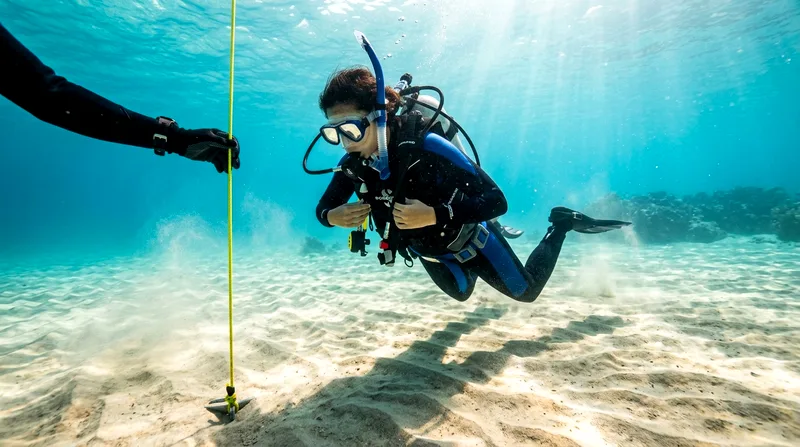
Discover Scuba Diving (a PADI-branded introductory program, though other agencies run equivalents) typically runs 3 to 5 hours total, with most of that spent on land — a safety briefing, basic skills in a pool or shallow confined area, then one supervised open-water dive capped around 12 meters. No prior experience or certification is required, and a dive instructor stays within arm's reach the entire time. Expect to pay roughly 400–700 AED (around 110–190 USD) per person, though always check current prices when booking since operators adjust rates by season and inclusions.
Age minimums usually sit at 10, sometimes 12, and there are medical disclosure forms — recent surgery, asthma, or certain cardiac conditions can disqualify you. This is the right call for solo travelers wanting a one-off experience and families with teens looking for something more memorable than another pool day at the hotel.
Certified recreational divers
If you're already Open Water certified (PADI, SSI, or equivalent), Dubai opens up properly. You can book two-tank reef dives, single wreck dives, or night dives without needing a refresher — though most centers will ask to see your certification card and log book, and some will require proof of a dive within the last 12 months or charge for a short skills refresher in the pool first. Certified divers get more flexibility on timing too: early morning boat departures from marinas near Jumeirah or Dubai Marina tend to have calmer water and better visibility than afternoon slots.
Advanced certification unlocks the deeper wreck sites, some of which sit past 25 meters. If your last dive was years ago, don't skip the refresher option just to save time — operators enforce this for a reason, and Arabian Gulf currents near wreck sites can be stronger than they look from the surface.
Reef Dives vs Wreck Dives vs Beginner Programs
These three categories get bundled together in search results, but they're genuinely different products with different gear, different skill requirements, and different payoffs underwater.
Beginner programs cost less and need no certification, while wreck dives demand more experience and deliver the most dramatic underwater scenery.
Dubai scuba diving tour types compared: experience level, duration, cost, and marine life
| Tour Type | Experience Required | Typical Duration | Cost Range (AED/USD, per person) | Marine Life & Scenery |
|---|---|---|---|---|
| Discover Scuba (beginner) | None | 3-5 hours total, 1 dive | 400-700 AED / 110-190 USD | Shallow reef, basic fish life |
| Open Water reef dive | Certified diver | 2-3 hours, 1-2 dives | 300-550 AED / 80-150 USD | Rays, reef fish, artificial reefs |
| Shallow wreck dive | Certified, some logged dives | 2-4 hours, 1-2 dives | 350-650 AED / 95-175 USD | Partial wreck structure, schooling fish |
| Deep/advanced wreck dive | Advanced certification | 3-5 hours, 1-2 dives | 450-800 AED / 125-220 USD | Full wreck, better visibility, larger pelagics |
| Private guided dive (any type) | Varies by site chosen | 3-6 hours | 700-1500+ AED / 190-410+ USD | Depends on site selected |
Figures reflect commonly published 2024-2025 ranges; always confirm current prices and inclusions when booking.
Reef dive characteristics and marine life
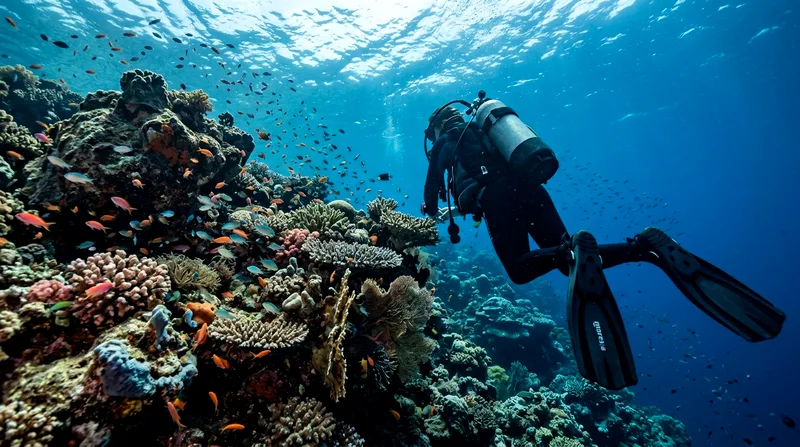
Dubai's reef dives are mostly shallow, sitting between 6 and 18 meters, which makes them accessible to newly certified divers and suitable for the second half of a discover-scuba session in calmer conditions. Sites off Jumeirah Beach, Kite Beach, and Lamer Beach feature a mix of natural rock formations and deliberately placed artificial reef structures — concrete modules, sunken pipes, and reef balls designed to attract fish over time. Expect to see clownfish, moray eels, rays, and the occasional reef shark, plus dense schools of smaller fish, but don't go in expecting the coral coverage you'd find off the Musandam coast near Muscat or in the Red Sea proper. The Gulf's warmer, saltier water and heavier boat traffic have limited natural coral growth.
Reef dives typically run 45–60 minutes per tank and suit anyone prioritizing an easy, relaxed dive over depth or adrenaline — families with newly certified teens, or divers easing back in after a long break.
Wreck dive sites and experience level
Wreck diving is where Dubai actually stands out regionally. Several deliberately sunk vessels and a scattering of older wrecks sit along the coast, with depths ranging from around 15 meters up to 30+ meters on the more technical sites — those deeper ones generally require Advanced Open Water certification or equivalent, plus a minimum logged dive count that varies by operator. Visibility around wrecks tends to run better than inshore reef sites, sometimes reaching 20 meters in winter months.
If you're newly certified with fewer than 10–15 logged dives, stick to the shallower wreck sites or do a guided intro wreck dive rather than attempting the deepest ones — current and mild disorientation inside larger structures catch out divers who've only trained in pools. Compared to wreck diving off Fujairah on the UAE's east coast, which benefits from clearer Gulf of Oman water, Dubai's wrecks are more convenient logistically but slightly less dramatic visually.
Group vs Private Scuba Tours
Most Dubai dive centers — including well-reviewed operations like Nemo Diving Center, or specialist setups like Deep Dive Dubai for pool-based advanced training — offer both group boat trips and private charters. The choice affects price, pacing, and how much personal attention you get underwater.
Group tour benefits and social experience
Group dives are the default booking on platforms like Viator or through operator sites directly, and they're the budget-friendly option — typically 15–30% cheaper per person than a private equivalent. Boats usually carry 6 to 15 divers plus 1–2 instructors or divemasters, split into smaller buddy groups underwater. For solo travelers, this is genuinely one of the better ways to meet people in Dubai; dive boats tend to attract a mix of expats and visitors who actually want conversation on the ride out.
The trade-off is pacing. You're moving at the group's speed, and if someone's struggling with buoyancy or equalizing, everyone waits. Check TripAdvisor reviews before booking — recurring complaints about overcrowded boats or rushed briefings are a reliable red flag, more useful than star ratings alone.
Private tour flexibility and personalization
Private scuba tours in Dubai suit couples wanting an uninterrupted day, photographers who need time to set up shots, and anyone with specific site requests — say, skipping the standard reef stop to focus entirely on a wreck. You get a dedicated instructor or guide, flexible timing (useful if you want the early slot for better visibility), and often the option to customize dive count or add surface intervals at Palm Jumeirah or along Jumeirah Beach.
It costs more — often close to double a group seat — and some smaller operators need 24–48 hours' notice to arrange a private boat or guide. If budget is tight, a group tour with a request for a smaller buddy team usually gets you 80% of the private experience's attentiveness for less money.
What to Look for When Booking
Booking a Dubai scuba diving tour online looks simple until you're three listings deep comparing wildly different inclusions for similar prices. A few checks save you from surprises on the boat.
Inclusions, equipment, and certification requirements
Confirm whether the listed price includes full equipment rental — wetsuit, BCD, regulator, mask, fins, tank, and weights. Some budget listings only include the tank and weights, charging extra for the rest, which can add 100–150 AED to what looked like a cheaper booking. Check whether transport to the marina or beach departure point is included, since operators near Dubai Marina, Jumeirah, or Palm Jumeirah sometimes charge separately for hotel pickup.
For certified divers, operators will ask for certification card details and sometimes a logbook photo before confirming — have these ready rather than scrambling the morning of. Discover-scuba bookings require a signed medical questionnaire; disclose honestly, since instructors can and do turn divers away at the dock if answers raise concern.
Group size, duration, and cancellation policies
Ask about maximum group size per instructor — a 1:4 or 1:6 instructor-to-diver ratio is reasonable for certified dives, but discover-scuba should be closer to 1:2 or 1:3 given the hands-on supervision needed. Check cancellation terms carefully: Gulf weather can turn in winter, and some operators only offer rescheduling, not refunds, if seas are too rough to sail. A 24-hour free cancellation window is standard on most reputable listings; anything stricter is worth questioning.
Compare this against what you'd get booking a similar dive package through Doha or Abu Dhabi operators — Dubai's dive scene is larger and more competitive, which generally means better equipment turnover and more schedule flexibility, but it also means more listings to sift through for quality.
Best Time to Book Your Dive
Seasonal timing matters more in Dubai than in most dive destinations because summer water temperatures climb uncomfortably high — surface temps can exceed 32°C (90°F) between June and September, which sounds pleasant until you realize warm water often correlates with reduced visibility and algae blooms that cloud reef sites. Winter months, roughly November through March, bring cooler water (down to around 22–24°C, so a full wetsuit is still worth renting) but notably better visibility, calmer seas, and more comfortable boat conditions.
Book winter weekday mornings if you can — weekends get crowded with local and expat divers, and afternoon slots catch more wind-driven chop. If you're traveling from Europe and timing a trip around diving specifically, November, December, and February tend to offer the most reliable combination of good visibility and manageable heat on the boat. Avoid peak July–August unless diving is secondary to your trip; the surface conditions alone make the experience less enjoyable, even if the instructor insists the dive itself is fine.
Whatever season you land in, compare current boat tours and prices before you book — availability shifts fast around UAE public holidays and the winter high season when cruise and leisure boat traffic around Dubai Marina and Palm Jumeirah peaks.
Frequently asked questions
Is scuba diving in Dubai suitable for beginners?
Yes — discover-scuba programs are designed specifically for first-timers, with no certification needed. You'll do a short briefing and confined-water skills session before one supervised open-water dive, usually capped around 12 meters, with an instructor close by throughout. It's a legitimate way to try diving, though don't expect the depth or wreck access that certified dives offer.
What is the cost of scuba diving in Dubai?
Discover-scuba sessions typically run 400–700 AED (about 110–190 USD) per person. Certified single or double-tank reef and wreck dives generally range 300–800 AED (80–220 USD) depending on site depth and whether it's a wreck dive. Private tours cost noticeably more. Always check current prices when booking, since fuel surcharges and seasonal demand shift rates.
Do I need certification to scuba dive in Dubai?
Only for dives beyond the beginner discover-scuba format. If you want to join standard reef or wreck dives, you'll need an Open Water certification (PADI, SSI, or equivalent) and often proof of a recent dive or a logbook. Deeper wreck sites usually require Advanced Open Water certification plus a minimum number of logged dives.
What are the best dive sites in Dubai?
Shallow reef sites sit off Jumeirah Beach, Kite Beach, and near Lamer Beach, mixing natural rock with artificial reef structures. Wreck sites further offshore offer deeper, more dramatic dives for certified divers, with better visibility than inshore reefs in winter months. None of these rival Red Sea coral density, but they're convenient and varied for a single trip.
Can I do private scuba diving tours in Dubai?
Yes, most dive centers offer private charters alongside group boats. You get a dedicated instructor, flexible timing, and the ability to pick specific sites, but expect to pay close to double a standard group-tour seat. Book at least 24–48 hours ahead, since private boats and guides need separate arranging.